฿9,575.00
Total: ฿9,575.00


Total: ฿9,575.00


Total: ฿9,575.00
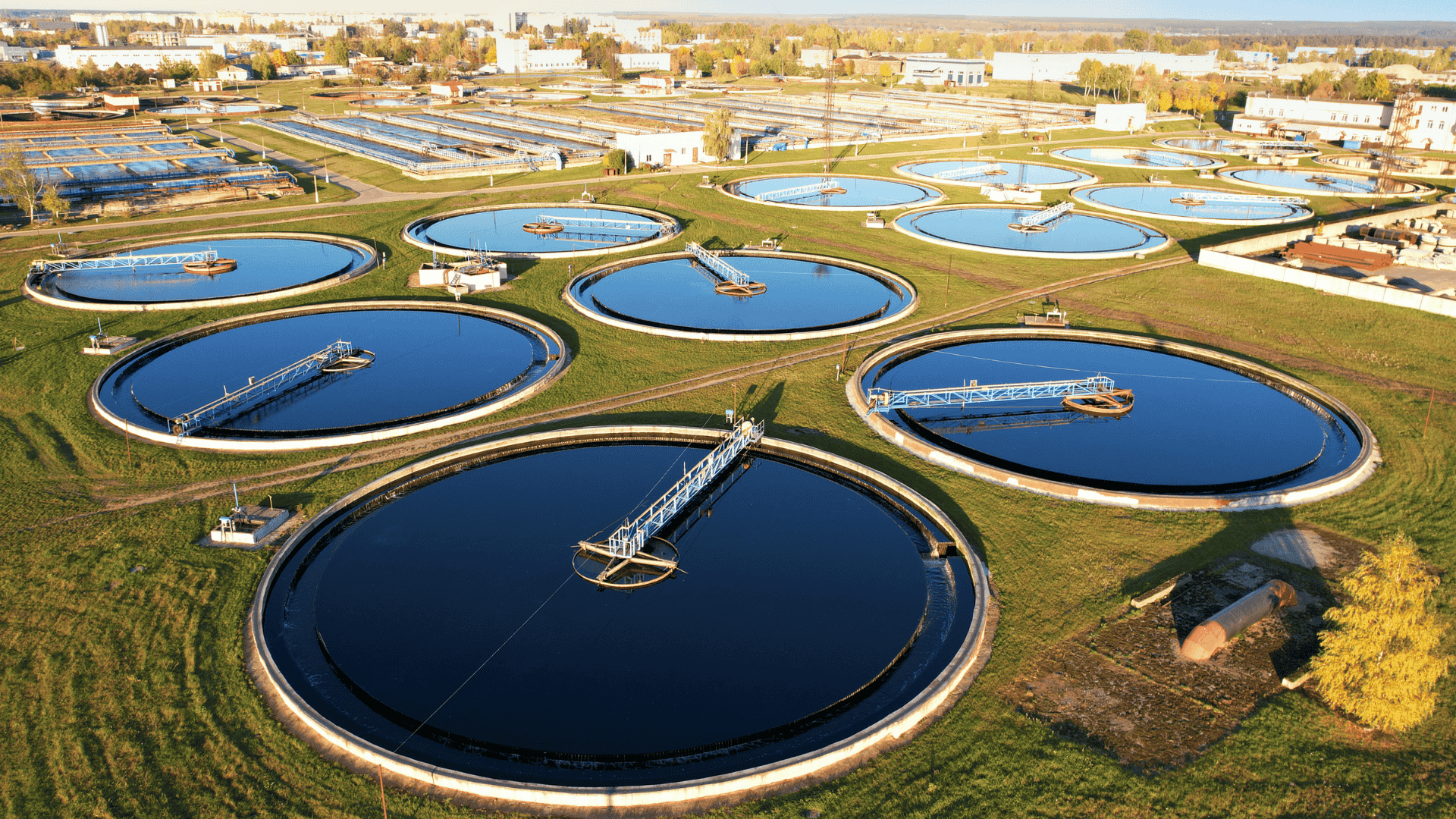
For industrial operators, one of the main responsibilities is to minimize water and air pollution as part of social and environmental responsibility. Among various types of pollution, wastewater has one of the most harmful impacts on humans, animals, and ecosystems today.
In this article, we will explore methods for monitoring and controlling water quality in factories, and the dangers of physical, biological, and chemical contaminants that can arise if there is no proper wastewater treatment system in place.
One of the most severe impacts of industrial activity is contaminated wastewater. Without a proper quality control system, wastewater can contain hazardous pollutants.
Water quality control ensures that effluent meets the legal standards set by the Department of Industrial Works and related government authorities. This includes monitoring treated wastewater, testing pollutant levels, and ensuring compliance with regulations before water is discharged into industrial estates, public waterways, or nearby communities.
Industrial operators are therefore responsible for installing standardized wastewater treatment systems and paying close attention to water quality control to reduce environmental impact and safeguard public health.
Identify Water Quality After Production
Monitoring provides detailed insights into water quality that cannot be seen with the naked eye. This includes identifying contaminants, pollutants, bacteria, and pathogens. Such analysis ensures that factory effluents comply with legal standards and also evaluates the effectiveness of wastewater treatment systems currently in use.
Identify Sources of Pollution
Monitoring can reveal the root causes of contamination. For example, wastewater with unusually high COD (Chemical Oxygen Demand) or BOD (Biological Oxygen Demand) indicates errors in the production process that led to elevated organic or chemical pollutants.
Improve Treatment Planning and Efficiency
Monitoring also allows operators to plan and optimize treatment methods. For instance, if biological contamination is detected, factories can upgrade their systems with bacteria-reducing technologies such as ultraviolet (UV) sterilization or specialized chemical treatments to achieve higher water purity standards.
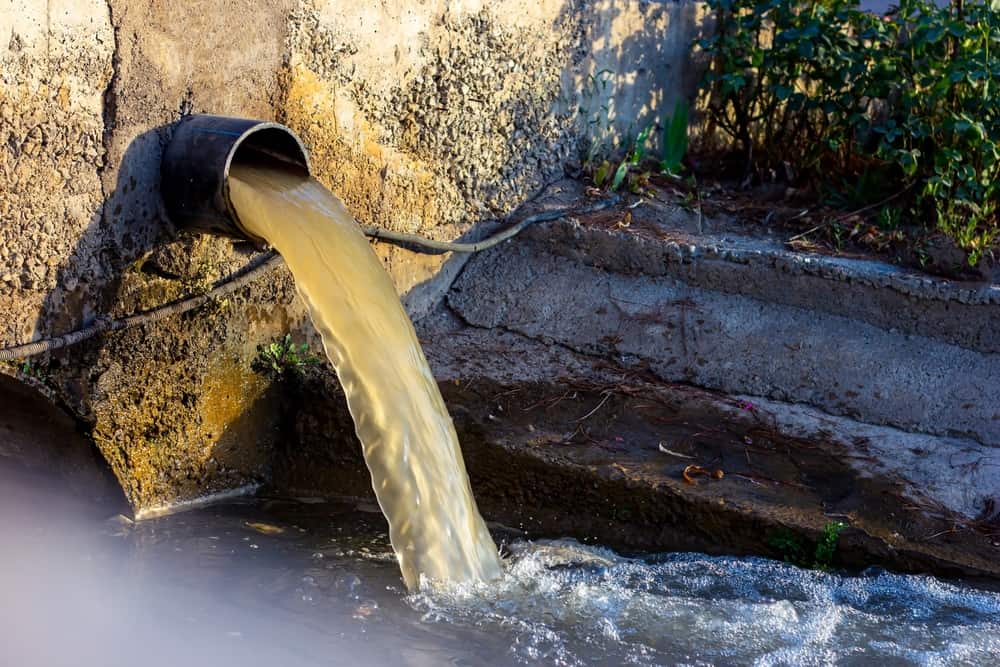
Treatment: Separating solids, paper, plastics, food scraps, grease, and oil from wastewater using specialized filters and devices.
Monitoring: Evaluating water’s physical characteristics—odor, color, temperature, turbidity, and clarity—to ensure pollutants are effectively removed.
Treatment: Using microorganisms to break down organic carbon, nitrogen, and phosphorus in wastewater. This can involve both aerobic organisms (with oxygen) and anaerobic organisms (without oxygen), often supported by additional disinfection systems.
Monitoring: Collecting samples and analyzing them in laboratories to measure bacterial loads and confirm water safety.
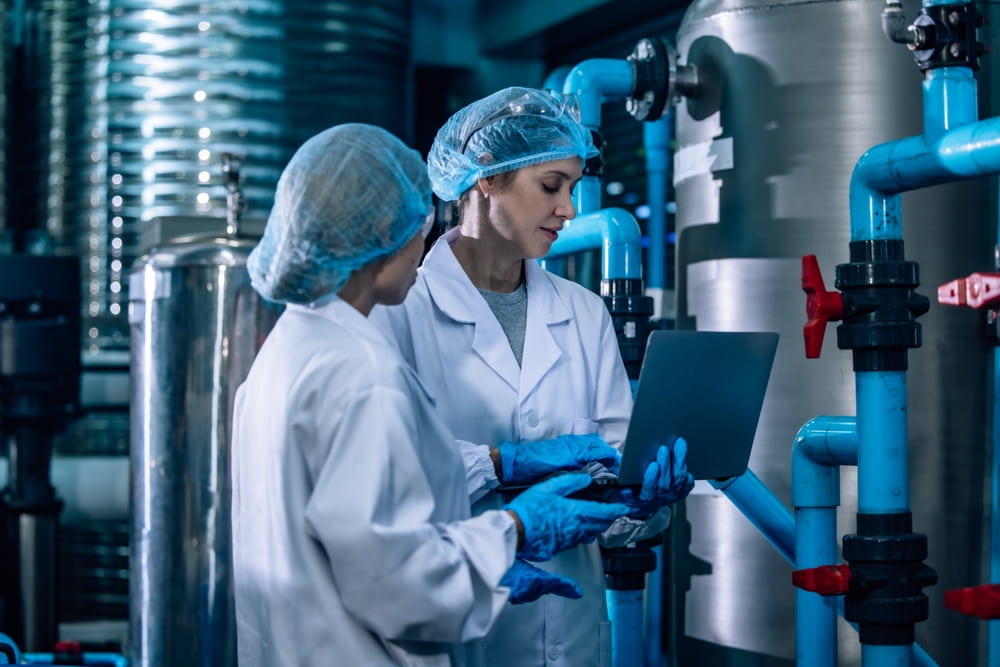
Treatment: Using chemical reactions to neutralize pollutants, adjust pH levels, and treat wastewater with suspended solids or difficult-to-remove contaminants.
Monitoring: Conducting field tests with chemical test kits and laboratory analysis to measure critical parameters such as:
Additional tests may include nitrogen levels and heavy metal concentrations, both toxic and non-toxic. Compliance with these standards is crucial to avoid environmental and public health risks.
Unsafe wastewater often results from substandard treatment systems. Common contaminants include heavy metals and pathogenic microorganisms:
Industrial Wastewater Solutions from Domnick
We supply specialized equipment for:
All backed by expert engineering consultation, design, and installation services.
References
Types of Drinking Water Contaminants – EPA
Industries Responsible for Water Contamination – JCD Law
Contaminants in Drinking Water – Chula Zero Waste
Ministry of Industry – Effluent Discharge Standards 2017 (Thai)