0
฿0.00
An empty cart
You have no item in your shopping cart


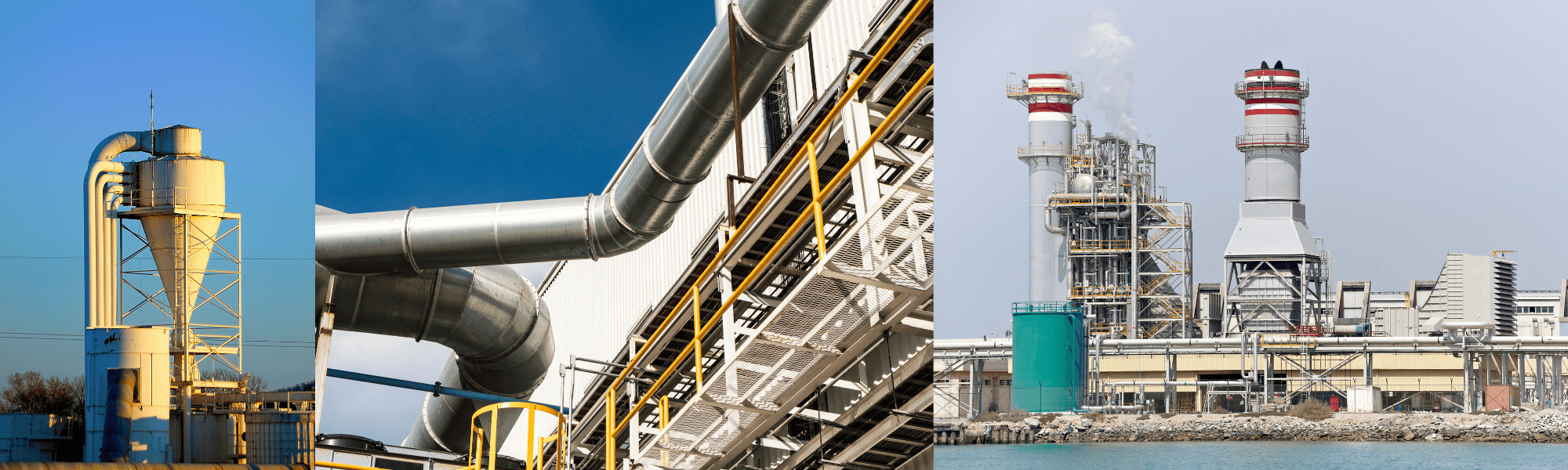
n every manufacturing process, dust is an unavoidable byproduct. Whether you’re grinding, mixing, cutting, or conveying materials, these operations generate airborne particles ranging from microscopic powders to heavy fragments. While dust may seem harmless at first glance, unmanaged dust poses serious risks, from health issues and contamination to fire and explosion hazards that can devastate facilities.
Not all dust is created equal. Each type requires different control measures and safety systems.
Nuisance Dust
These non-toxic, noncombustible particles may not harm workers directly but can reduce visibility, accumulate on surfaces, and make housekeeping difficult. Over time, they can also clog air filters and decrease equipment efficiency.
Toxic Dust
Dust containing heavy metals, chemical residues, or hazardous compounds requires specialized containment and filtration systems to protect both workers and the environment. Proper handling is essential to meet health and environmental regulations.
Combustible Dust
Perhaps the most dangerous form, combustible dust consists of fine particulates that can ignite when suspended in air and exposed to a spark or heat source. Explosions from combustible dust are among the leading causes of catastrophic industrial incidents worldwide.
Understanding these differences allows you to design the right engineering controls — from local exhaust ventilation to full-scale dust collection systems — ensuring safety and regulatory compliance.
Airborne dust doesn’t just affect equipment — it affects people. Continuous exposure to fine particulates can cause respiratory problems, occupational asthma, and long-term lung disease. This is particularly concerning in facilities where multiple processes run side by side.
In industries like food processing, pharmaceuticals, and chemicals, dust migration between production lines can lead to cross-contamination that compromises product integrity and safety.
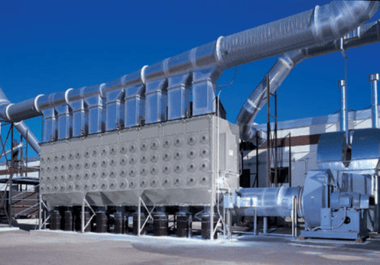
A well-designed dust collection and filtration system captures particulates directly at their source, preventing them from spreading through the facility and ensuring compliance with Good Manufacturing Practice (GMP) and ISO standards.
Dust isn’t just a safety concern — it’s a financial one. Fires, explosions, and contamination incidents can result in:
Costly production shutdowns
Regulatory fines and legal penalties
Equipment damage and product loss
Reputation damage and business disruption
Investing in reliable dust control and collection systems protects your operation against these risks. Beyond compliance, it improves operational efficiency, reduces downtime, and supports long-term profitability.
Modern safety standards require that industrial facilities install dust collection systems that comply with strict regulations set by occupational safety and environmental authorities. Meeting these standards isn’t optional — it’s mandatory for safe operation.
Even with proper systems in place, explosions can still occur. That’s why explosion mitigation technologies are essential. Key protection methods include:
Explosion Vents: Relieve pressure safely by directing the blast away from personnel and equipment.
Explosion Isolation Valves: Prevent the flame and pressure from propagating through ductwork into other parts of the system.
Safety Monitoring Filters: Protect downstream equipment from flame fronts and prevent secondary explosions.
These integrated safety systems ensure that even if ignition occurs, damage and danger are minimized.
Installing a dust collection system is only the first step — maintaining it is what ensures long-term protection and compliance.
Regular inspections and preventive maintenance help your system perform at its best and reduce the risk of failure.
A comprehensive dust collection service program includes:
Filter replacement and disposal
System inspections and performance evaluation
Airflow and pressure balance checks
Leak and integrity testing
Effective dust control is more than a regulatory requirement — it’s a cornerstone of industrial safety.
With decades of expertise in dust collection, compressed air systems, and process air engineering, Domnick (Thailand) helps manufacturers create cleaner, safer, and more energy-efficient facilities.
Our engineers provide:
On-site hazard assessments
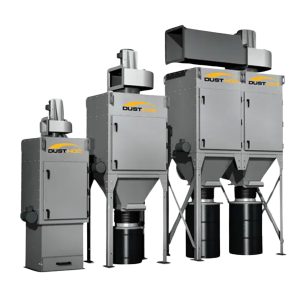
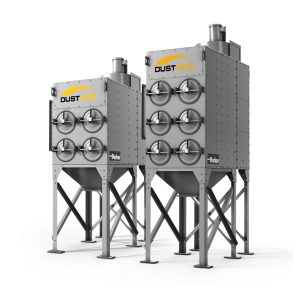
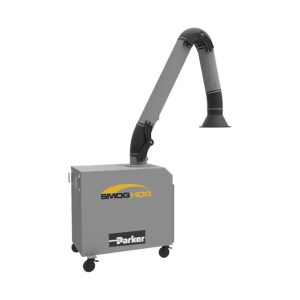
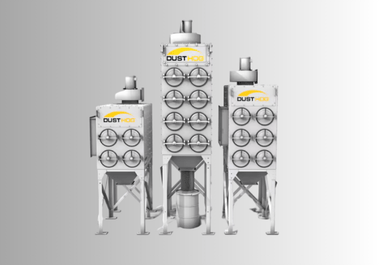
System design and installation of advanced dust collectors
Explosion protection solutions for high-risk applications
Ongoing service and compliance support
we offer customized maintenance plans tailored to your facility’s operation schedule and environmental requirements, ensuring that your system remains clean, efficient, and compliant year-round.
By partnering with Domnick, you’re not only protecting your workforce — you’re investing in a safer, more productive, and more resilient operation.

Domnick (Thailand) is here to help. Whether you’re in the early stages of planning your clean air filtration system for a new facility or considering an upgrade or expansion of your existing setup, our team of Air Filtration and Collector System design experts is ready to assist you.