0
฿0.00
An empty cart
You have no item in your shopping cart


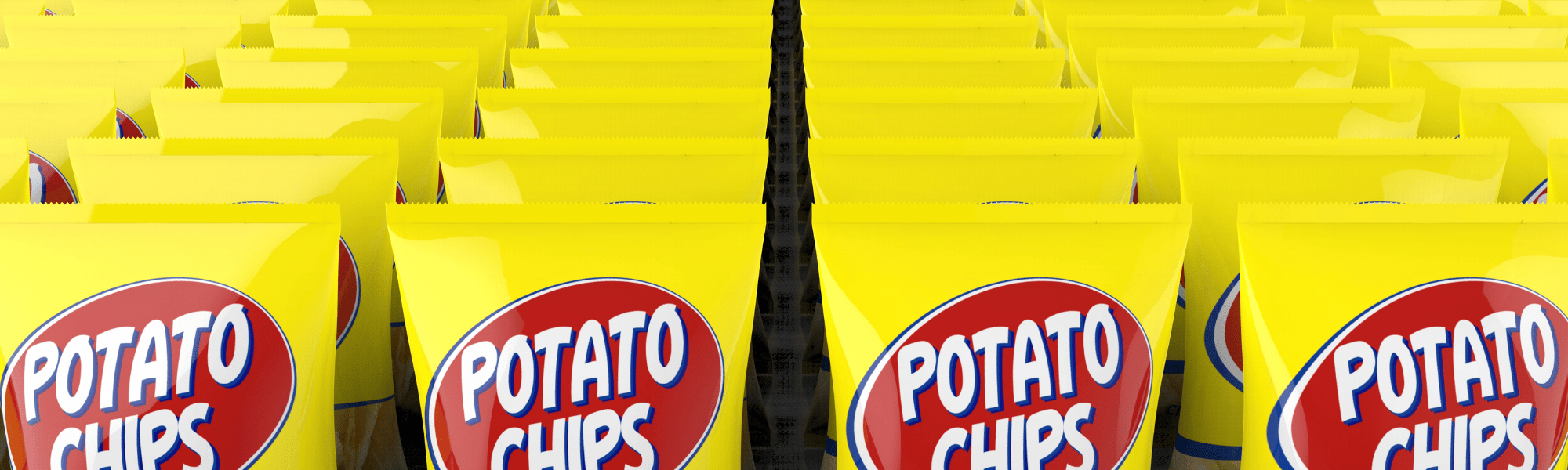
Product freshness, appearance, flavour, and shelf life are essential to successful food packaging. However, oxygen trapped inside a package can accelerate oxidation, contribute to rancidity, affect colour, and reduce product quality. Nitrogen generators for the packaging industry provide a reliable way to produce nitrogen on demand and supply it directly to packaging lines.
Nitrogen is a dry, inert gas commonly used in Modified Atmosphere Packaging, also known as MAP. During packaging, ordinary air is removed or displaced, and the package is flushed with nitrogen or a product-specific gas mixture.
Reducing oxygen inside the package can help slow oxidation and preserve the quality of products such as:
Nitrogen also acts as a filling gas. It can help maintain package shape and provide cushioning that protects delicate products, including chips and crackers, during storage and transportation.
The ideal gas composition is not the same for every product. Some applications use nitrogen alone, while others require controlled mixtures of nitrogen, carbon dioxide, and oxygen. Product characteristics, moisture content, storage temperature, packaging film, seal quality, and desired shelf life must all be evaluated.
Traditionally, packaging facilities may receive nitrogen in cylinders or bulk tanks. An on-site nitrogen generator offers another approach by separating nitrogen from compressed air and supplying it according to production demand.
Potential operational benefits include:
On-site systems commonly use membrane or pressure-swing adsorption technology. The appropriate method depends on the required nitrogen purity, flow rate, operating pressure, available space, and production profile.
A complete nitrogen system involves more than the generator itself. Clean, dry compressed air is required for stable performance. The installation may also include air filters, dryers, air and nitrogen receivers, oxygen monitoring, pressure controls, flow measurement, and suitable distribution piping.
Correct sizing is important. An undersized generator may not support peak packaging demand, while an oversized system can increase capital and energy costs. Engineers should review the number of packaging machines, gas consumption per package, production speed, operating hours, peak demand, required purity, and potential future expansion.
Modified atmosphere packaging must also be supported by proper sanitation, temperature control, packaging-barrier performance, reliable seals, and quality testing. Nitrogen does not replace good food-manufacturing and storage practices.
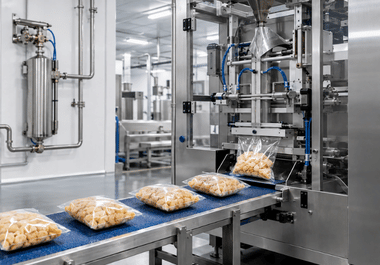
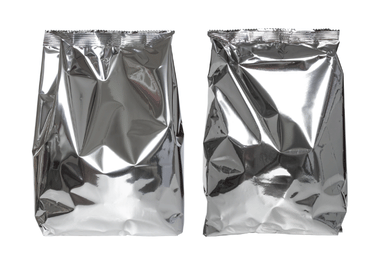
From our experience, the most effective nitrogen system is designed around the packaging process—not selected by purity alone. Using a higher purity than the product requires may consume unnecessary compressed air and energy, while insufficient flow or storage capacity can interrupt production.
Our engineering team can assess your gas demand, packaging speed, purity requirements, and operating conditions before recommending a suitable solution. Contact us to develop a dependable on-site nitrogen system that supports product quality, supply security, operating efficiency, and future production growth.

Domnick (Thailand) is ready to assist you with your process filtration needs. Whether you’re designing a new system, upgrading your existing setup, or seeking to improve efficiency and purity across your operation, our filtration specialists are here to help you choose the right solution for your application.