฿4,421.00
Total: ฿4,421.00


Total: ฿4,421.00


Total: ฿4,421.00
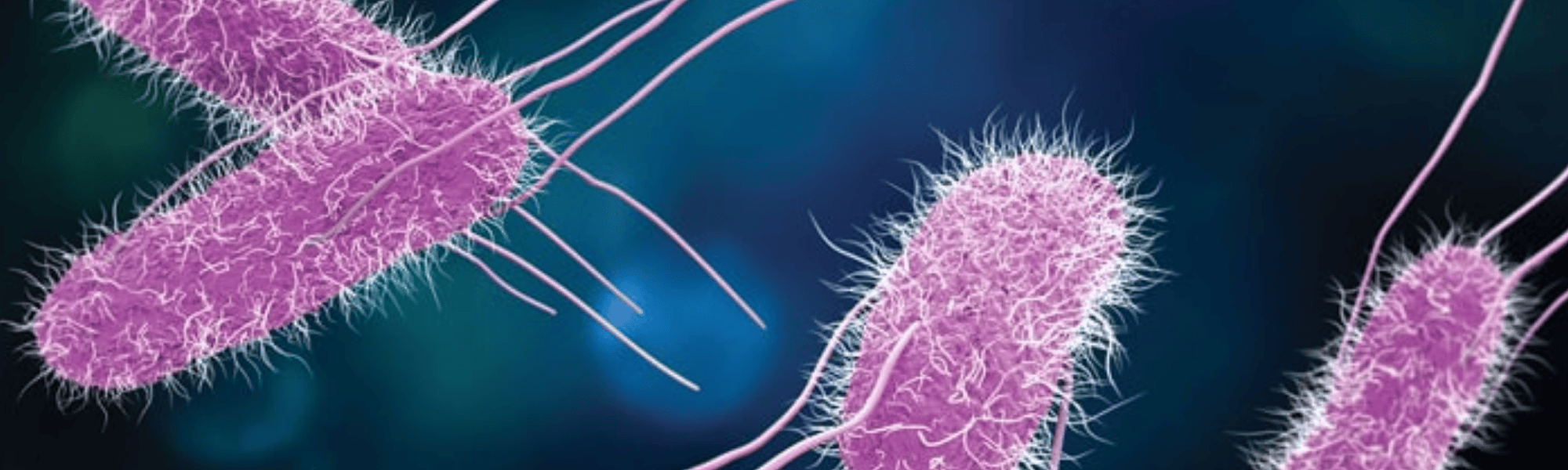
Bacteria are often portrayed as invisible enemies, dangerous, aggressive, and responsible for foodborne illness outbreaks. Headlines frequently describe “killer bacteria” as if they actively hunt for opportunities to contaminate food. In reality, this perception is misleading.
Bacteria are a natural part of our environment. They exist everywhere such as in water, soil, air, and on surfaces—and most are harmless. The real issue is not the presence of bacteria itself, but the conditions that allow bacteria to grow, spread, and contaminate food. Understanding this distinction is essential for improving food safety and preventing contamination throughout the supply chain.
Bacteria do not deliberately contaminate food. Contamination occurs when human activity unintentionally creates environments where microorganisms can thrive. Factors such as moisture, temperature, nutrients, and time all play a role in bacterial growth.
In food production, these conditions can appear at many points:
When these conditions are not properly managed, bacteria can multiply rapidly and enter the food chain—often without visible warning signs.
Food contamination rarely comes from a single dramatic failure. More often, it results from a combination of small, everyday factors. For example:
Once bacteria enter the system, they can be extremely difficult to remove using traditional approaches alone. This is why prevention—rather than reaction—is the most effective strategy.
Conventional food safety methods typically rely on:
While these approaches are important, they have inherent limitations. Chemicals can leave residues, require careful handling, and may not reach all contaminated areas. Heat treatment consumes large amounts of energy and may alter product quality. Manual cleaning depends heavily on consistency and human performance.
As food production becomes more complex and consumer expectations rise, manufacturers are increasingly looking for complementary technologies that enhance microbial control without adding risk or complexity.
Ultraviolet (UV-C) technology offers a different way to manage bacterial contamination. Instead of reacting after contamination occurs, UV systems work by preventing microorganisms from multiplying in the first place.
UV-C light disrupts the DNA of bacteria, rendering them unable to reproduce. Without the ability to multiply, bacteria lose their capacity to cause contamination, even if they are present in the environment.
This process is:
UV treatment can be applied at multiple stages of food and beverage processing, helping to reduce microbial risk across the entire operation.
Water is one of the most common pathways for bacterial contamination. UV treatment ensures that water used for washing, dilution, or processing does not introduce harmful microorganisms into the product.
UV systems can be used to disinfect surfaces, air, and equipment—areas where bacteria may settle and multiply between cleaning cycles.
By installing UV systems directly into processing lines, manufacturers can continuously reduce microbial levels during operation, rather than relying solely on periodic sanitation.
Unlike chemicals or heat, UV technology does not rely on residual effects. Instead, it provides continuous, controlled microbial inactivation wherever it is applied.
This makes it especially valuable in environments where:
UV also supports consistency. Once installed and correctly configured, systems deliver the same level of microbial control every time—independent of operator technique.
One of the greatest advantages of UV technology is that it improves food safety without altering the product. There is no change to taste, color, texture, or composition.
This is particularly important for manufacturers aiming to maintain product integrity while meeting increasingly strict safety standards.
By addressing contamination risks at their source, UV systems help protect both consumers and brand reputation.
The concept of “killer bacteria” distracts from the real issue: bacteria become a problem only when systems allow them to grow unchecked.
Modern food safety is not about fear—it is about control.
By combining good hygiene practices with preventive technologies such as UV treatment, manufacturers can significantly reduce the likelihood of contamination events and foodborne illness.
Bacteria are part of our world, and always will be. The key to food safety lies in understanding how contamination occurs and implementing technologies that prevent microorganisms from becoming a threat.
UV technology supports this approach by offering reliable, chemical-free microbial control across water, surfaces, and processing environments. When used as part of an integrated food safety strategy, UV systems help manufacturers protect consumers, improve operational confidence, and meet the demands of modern food production.
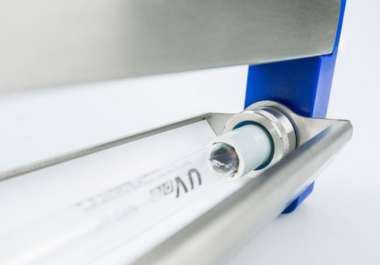
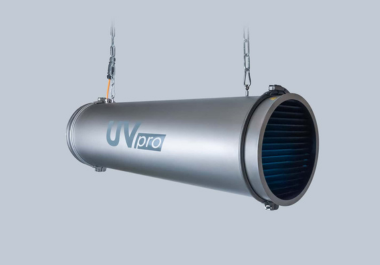
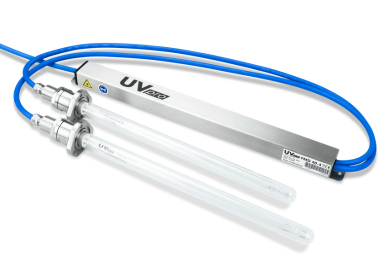
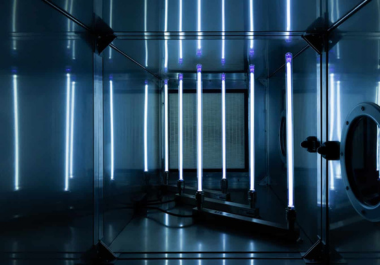
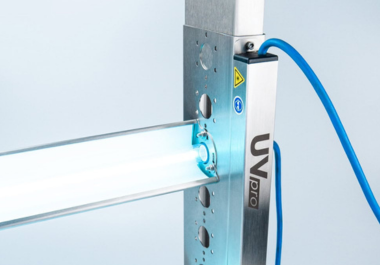
Bacteria are a natural part of the food production environment, the real risk comes from conditions that allow them to grow and spread unchecked. Modern food safety is no longer about reacting to contamination, but about preventing it through smarter process control.
UV technology offers a reliable, chemical-free way to reduce microbial risk across water, surfaces, and production processes. When integrated into an overall hygiene strategy, UV systems help food and beverage manufacturers improve safety, protect product quality, and maintain consistent standards without disrupting operations.

An efficiently designed water and wastewater treatment system will reduce energy consumption and operating costs, ensure reliable treatment performance, and extend the lifespan of your equipment and infrastructure. We are here to support you every step of the way.