0
฿0.00
An empty cart
You have no item in your shopping cart



Modern automotive manufacturing depends on precision. Whether producing passenger vehicles, commercial trucks, or electric vehicles, every production stage must meet strict quality standards while maintaining maximum efficiency. Yet one critical factor often operates behind the scenes, air treatment.
Compressed air is widely used throughout automotive plants, but untreated air can contain dust, moisture, oil aerosols, and other contaminants that affect both production processes and equipment performance. An effective air treatment strategy ensures that compressed air is clean, dry, and fit for purpose, helping manufacturers improve product quality, protect valuable equipment, and create a safer workplace.
In automotive facilities, compressed air powers robotic systems, pneumatic tools, assembly equipment, painting operations, and automated production lines. When the air supply contains contaminants, the consequences can quickly become expensive.
Moisture can cause corrosion inside air lines and equipment, while oil and fine particles may interfere with painting and coating processes, leading to surface defects, inconsistent finishes, and product rework. Contaminated air can also accelerate equipment wear, increase maintenance requirements, and contribute to unexpected production downtime.
For manufacturers operating in highly competitive markets, maintaining air quality is no longer simply about protecting equipment—it is about protecting productivity, profitability, and brand reputation.
Effective air treatment extends beyond installing a single filter. It involves managing every aspect of compressed air quality to match the specific requirements of each production area.
A comprehensive air treatment system typically includes:
Together, these technologies help create a cleaner and more reliable production environment while supporting consistent manufacturing performance.
Not every area within an automotive plant requires the same level of air treatment.
For example, paint booths demand exceptionally clean and dry compressed air to achieve smooth, defect-free finishes. Even microscopic contaminants or excess humidity can result in paint imperfections, poor adhesion, and increased rework. Studies suggest that poor compressed air quality contributes to a significant proportion of paint finish defects.
Elsewhere in the factory, assembly lines, maintenance workshops, and automated production areas also benefit from properly treated air to improve equipment reliability and extend service life.
By tailoring air treatment solutions to each production zone, manufacturers can optimize both quality and operational efficiency.
Today’s automotive manufacturers face increasing pressure to reduce operating costs while meeting sustainability goals.
Well-designed air treatment systems help improve compressor efficiency, reduce equipment failures, lower maintenance costs, and minimize waste caused by defective products. Clean, dry compressed air also supports longer equipment life, reducing the need for premature repairs or replacement.
As manufacturing becomes increasingly automated and data-driven, air quality management is evolving from a maintenance consideration into a strategic investment that supports long-term operational excellence.
Air treatment may not be the most visible part of an automotive manufacturing facility, but its impact reaches every stage of production. From protecting sensitive painting operations to improving equipment reliability and workplace safety, clean compressed air helps manufacturers achieve greater efficiency, higher product quality, and more dependable operations.
Investing in the right air treatment strategy is not simply about removing contaminants—it is about creating a stronger foundation for consistent production and future manufacturing success.
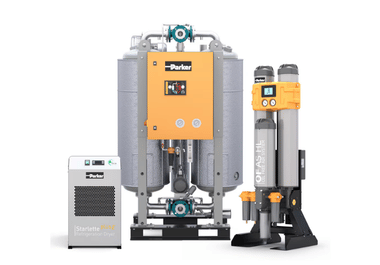
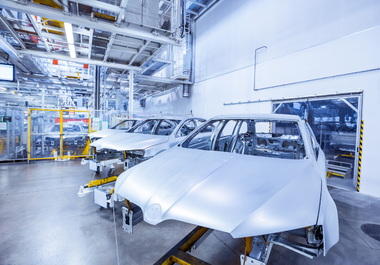
In our experience, many automotive manufacturers invest heavily in compressors and production equipment but often underestimate the impact of air treatment on overall system performance. Clean, dry compressed air is essential for protecting pneumatic equipment, maintaining consistent paint quality, and reducing costly downtime caused by moisture or contamination.
Our engineering team works closely with manufacturers to evaluate compressed air quality, identify potential risks, and design air treatment solutions tailored to each production process. Whether you’re upgrading an existing system or planning a new production line, we’re here to help you improve reliability, optimize energy efficiency, and build a compressed air system that supports long-term manufacturing success.

Efficient air systems save costs, ensure clean supply, and extend equipment life. Domnick (Thailand) can help design or upgrade yours.