0
฿0.00
An empty cart
You have no item in your shopping cart



For many food manufacturers and industrial facilities, gas cylinders have long been the standard method for supplying nitrogen and other process gases. At first glance, cylinders appear convenient — they are familiar, widely available, and easy to install. However, what many businesses fail to realize is that the actual cost of using gas cylinders goes far beyond the price printed on the invoice.
Behind the scenes, gas cylinders introduce a range of hidden costs that impact operational efficiency, safety, productivity, and long-term profitability. As industries seek more cost-effective and reliable solutions, many are beginning to recognize that traditional cylinder supply may no longer be the most efficient option.
Understanding these hidden costs is the first step toward making smarter decisions for sustainable operations.
When companies evaluate gas supply expenses, they often focus only on the direct purchase cost of cylinders. While this is easy to calculate, it represents only a portion of the total expense.
The true cost of gas cylinders includes:
Delivery and transportation fees
Rental and handling charges
Storage and space requirements
Operational downtime
Safety risks and compliance requirements
Over time, these indirect costs can significantly exceed the original price of the gas itself.
Gas cylinders require continuous replacement and delivery. Each delivery involves logistics coordination, transport charges, and supplier scheduling. In addition to the cost of the gas, companies typically pay rental fees for cylinder use and storage.
These recurring expenses accumulate quickly and can be difficult to predict, making long-term budgeting more complex. As production demand increases, so does reliance on external gas deliveries — and the associated costs.
Running out of gas during production can lead to unexpected downtime. When cylinders empty without warning, operations may need to pause until replacements arrive. Even short interruptions can disrupt production schedules, reduce efficiency, and increase labor costs.
Staff must also spend time:
These manual tasks reduce productivity and divert attention from core production activities.
Gas cylinders require designated storage areas that meet safety and regulatory standards. This space could otherwise be used for production expansion or additional equipment.
Facilities must also consider:
In high-value manufacturing environments, floor space is extremely valuable. Using it for cylinder storage represents a hidden operational cost.
Handling high-pressure gas cylinders introduces safety risks. Improper storage, handling, or transportation can lead to leaks, injuries, or accidents. To minimize risk, companies must implement safety procedures, staff training, and compliance monitoring.
These requirements include:
Maintaining these standards adds both administrative and operational cost. While safety is essential, reliance on cylinders inherently increases exposure to these risks.
Gas cylinders make operations dependent on external suppliers. Delivery delays, supply shortages, or logistical disruptions can affect production continuity. During peak demand periods or supply chain disruptions, obtaining gas cylinders on time may become challenging.
This dependency can create uncertainty and limit operational flexibility. For manufacturers operating on tight production schedules, any interruption in gas supply can affect output and customer commitments.
To overcome the hidden costs and limitations of cylinders, many businesses are turning to on-site gas generation systems. Instead of relying on delivered cylinders, on-site systems produce nitrogen or other gases directly from compressed air at the point of use.
This approach offers a reliable and cost-controlled supply that aligns with modern manufacturing efficiency goals.
1. Lower Long-Term Operating Costs
Once installed, on-site gas generators significantly reduce or eliminate ongoing cylinder rental and delivery expenses. Companies gain control over gas production and avoid unpredictable price fluctuations.
2. Continuous and Reliable Supply
On-site generation provides gas on demand, ensuring a continuous supply without risk of running out. This eliminates production interruptions and improves operational confidence.
3. Improved Safety
Removing high-pressure cylinder handling reduces workplace risk. On-site systems minimize manual handling and improve overall plant safety conditions.
4. Space Optimization
Gas generators are compact and eliminate the need for large cylinder storage areas. Freed-up floor space can be used for more valuable production activities.
5. Greater Efficiency and Sustainability
Producing gas on site reduces transportation requirements and associated carbon emissions. It also supports more energy-efficient and sustainable manufacturing practices.
While gas cylinders may seem like a simple solution, their hidden costs can significantly impact business operations over time. From rental and logistics to safety and downtime, these factors collectively increase the total cost of ownership.
On-site gas generation provides a modern alternative that delivers cost savings, reliability, and operational efficiency. By moving away from traditional cylinder supply, manufacturers can gain greater control, improve safety, and support long-term productivity.
Understanding the true cost of gas supply is essential for making informed decisions. For many businesses, the shift from cylinders to on-site generation is not just an upgrade — it is a strategic investment in efficiency and growth.
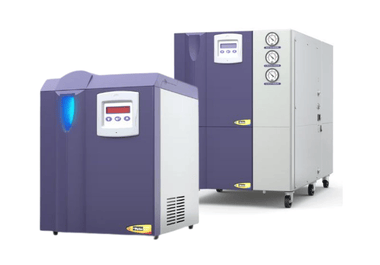
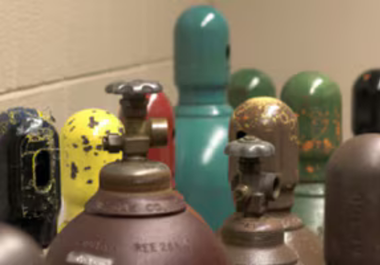
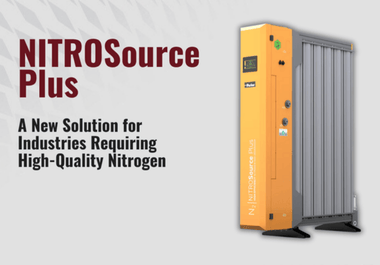
Many businesses underestimate the true cost of gas cylinders because they only consider the purchase price. In reality, rental fees, delivery charges, handling time, storage requirements, and safety management all contribute to higher long-term operating expenses.
Our team helps manufacturers transition from traditional cylinder supply to efficient on-site gas generation systems. By producing gas directly at the point of use, companies can reduce operational risk, eliminate recurring delivery costs, and gain full control over supply reliability. The result is not just cost savings — but improved productivity, safety, and long-term operational stability.
Domnick (Thailand) is here to help. If you are in the early stages of planning your gas generator system needs for a new facility, or if you are planning to upgrade or add to an existing system, we recommend that you speak with one of our Gas Generator System design experts.