0
฿0.00
An empty cart
You have no item in your shopping cart


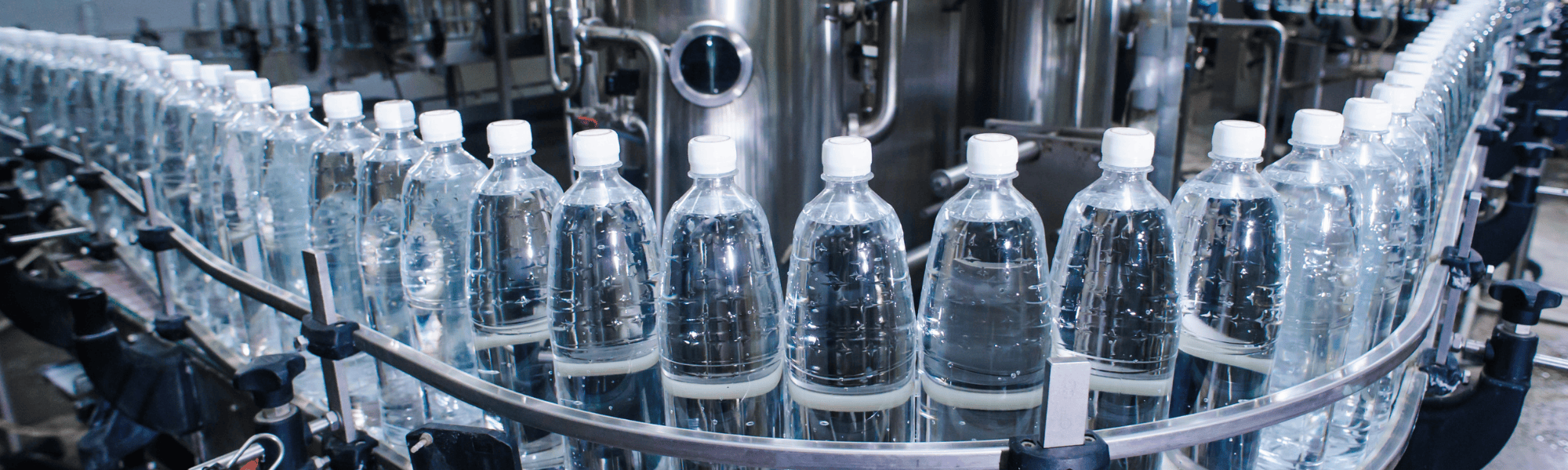
Wastewater treatment plants are vital to protecting public health. Their primary function is to remove harmful contaminants—such as bacteria, viruses, and parasites—before the water is released into the environment. Without proper treatment, these pathogens can spread dangerous diseases like cholera, hepatitis, and gastrointestinal infections. To ensure that treated water is safe for non-potable applications such as irrigation or toilet flushing, facilities rely on advanced filtration and disinfection technologies to eliminate these risks.
For decades, chlorination has been the most widely used method for wastewater disinfection. However, increasing concerns about hazardous chlorination byproducts and their environmental and health impacts have prompted governments and municipalities to look for safer alternatives. One technology has risen to the forefront: Ultraviolet (UV) disinfection.
The global UV disinfection market is expanding rapidly, largely driven by its adoption in water and wastewater treatment. Unlike chemical-based processes, UV treatment neutralizes microorganisms without adding chemicals. It works by damaging the genetic structure of pathogens, preventing them from reproducing—effectively disinfecting water in a clean, chemical-free way.
By adopting UV disinfection, governments and industries can strengthen their environmental stewardship. This technology prevents harmful chemicals from entering ecosystems and supports water reuse, reducing pressure on freshwater sources. Treated wastewater can be safely used for irrigation, industrial cooling, process water, and even groundwater recharge.
UV treatment is especially valuable in process industries—including chemical processing, pharmaceuticals, and manufacturing—where water quality directly affects product safety and operational reliability. UV systems provide consistent, high-quality water while reducing dependence on freshwater resources and promoting sustainable practices.
Additionally, UV technology helps minimize the discharge of inadequately treated wastewater, protecting rivers, lakes, and coastal environments. This is a critical benefit for industries whose operations influence natural water systems.
Over the last 20 years, breakthroughs in UV design and engineering have greatly improved performance. Modern UV systems are proven to effectively inactivate Cryptosporidium, outperforming chlorine in many cases. They also target emerging contaminants—such as pharmaceutical and personal care product residues—helping ensure that treated water is safe for industrial reuse.
The compact, modular design of today’s UV systems allows for seamless integration into existing wastewater treatment plants, usually without major infrastructure upgrades. These systems operate rapidly and efficiently, even at peak demand, guaranteeing a steady supply of treated water. This reliability is particularly beneficial for industries with fluctuating water requirements.
UV treatment also enhances operational safety. By eliminating the storage and handling of hazardous chemicals common in conventional treatment, facilities reduce the risk of accidents and create a safer working environment for operators.
UV wastewater disinfection has become a cornerstone of sustainable water management in regions around the world.
Singapore’s NEWater program incorporates UV treatment to produce high-grade reclaimed water, reducing the nation’s reliance on imported water.
The Orange County Water District uses UV disinfection in its world-leading Groundwater Replenishment System, providing a drought-resilient and environmentally responsible water supply.
These real-world applications highlight UV’s critical role in building resilient water systems.
Integrating UV disinfection into wastewater reuse strategies represents a significant step forward for governments, industries, and municipalities worldwide. By leveraging the power of UV technology, wastewater treatment facilities can dramatically improve water quality, support environmental sustainability, and strengthen water security.
Through the adoption of UV solutions, communities and industries are better equipped to build a future where water resources are managed responsibly, safely, and sustainably.


At Domnick Thailand, we’ve seen firsthand how the shift from chemical disinfection to UV technology is transforming wastewater treatment across industries. UV systems offer a safer, cleaner, and more sustainable way to manage water resources, without the risks associated with chlorine handling or chemical byproducts.
Modern UV technology is not only highly effective against pathogens, but it also tackles emerging contaminants and supports high-purity water applications in food & beverage, pharmaceuticals, manufacturing, and municipal systems.
With decades of engineering experience in water treatment solutions, our team helps facilities design and implement UV systems that integrate seamlessly into existing operations, maximize efficiency, and contribute to long-term sustainability goals.
We believe that UV disinfection is no longer just an alternative — it’s the future of responsible water management.”

An efficiently designed water and wastewater treatment system will reduce energy consumption and operating costs, ensure reliable treatment performance, and extend the lifespan of your equipment and infrastructure. We are here to support you every step of the way.