0
฿0.00
An empty cart
You have no item in your shopping cart


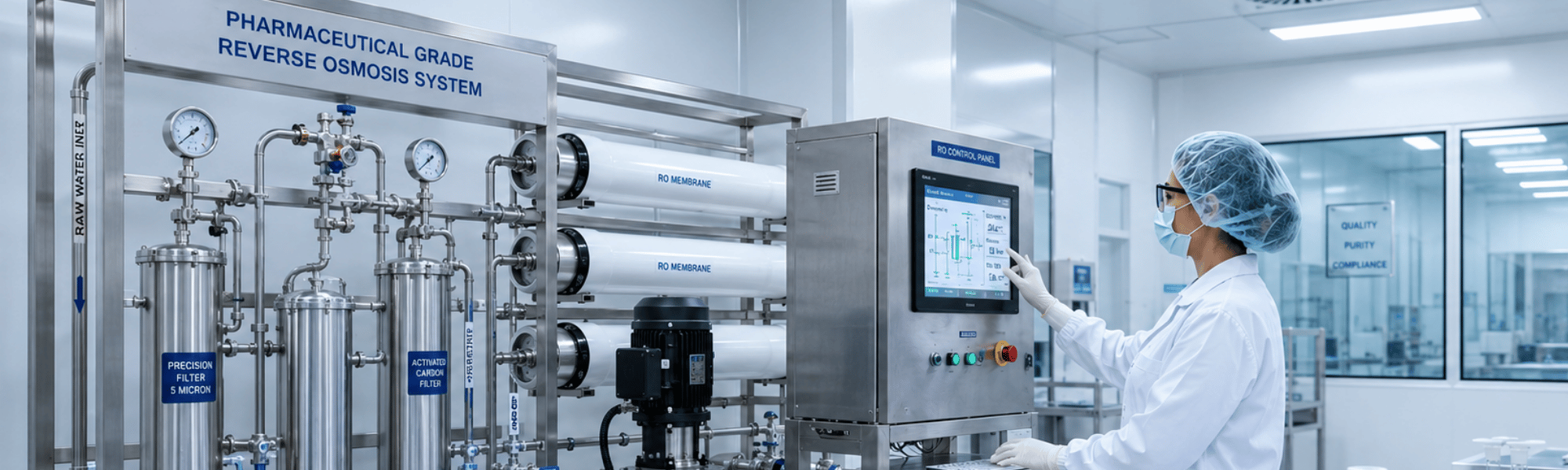
In pharmaceutical manufacturing, water is far more than a basic utility. It is one of the most critical raw materials used throughout production processes, cleaning systems, equipment preparation, and product formulation. The quality of water directly affects product safety, regulatory compliance, and overall manufacturing reliability.
As pharmaceutical standards continue to become more stringent, manufacturers are placing greater focus on high-purity water systems designed to minimize contamination risks and maintain consistent product quality. Among the technologies supporting this objective, Reverse Osmosis (RO) membrane systems have become a key component of modern pharmaceutical water treatment strategies.
Reverse Osmosis is a water purification process that uses pressure and a semi-permeable membrane to separate purified water from dissolved contaminants. Unlike conventional filtration methods that primarily remove larger particles, RO membranes can effectively reduce dissolved salts, microorganisms, organic compounds, and other impurities that may compromise pharmaceutical processes.
Because pharmaceutical manufacturing requires exceptionally high water quality standards, RO technology is commonly integrated into multi-stage water treatment systems designed to support purified water production and other critical process requirements.
In highly regulated pharmaceutical environments, water quality is directly linked to product integrity. Even small levels of contamination can create significant risks, including process variability, microbial growth, regulatory concerns, and potential product rejection.
RO membrane systems help reduce these risks by serving as a critical barrier against contaminants before water enters sensitive manufacturing processes. By removing unwanted impurities at an early stage, pharmaceutical facilities can better control water quality throughout the entire production cycle.
For manufacturers, this is not simply about meeting specifications—it is about protecting patient safety and maintaining confidence in every product released to market.
Pharmaceutical water systems are subject to strict monitoring, validation, and quality control requirements. Regulatory agencies place significant emphasis on water system design, performance verification, microbial control, and ongoing monitoring to ensure consistent water quality.
As a result, pharmaceutical companies increasingly view RO membrane systems as part of a broader quality assurance strategy rather than a standalone filtration technology.
In today's pharmaceutical industry, maintaining water quality is no longer just an operational requirement—it is a business-critical priority.
As production demands increase, pharmaceutical manufacturers are placing greater importance on system reliability and risk reduction. Water treatment systems must operate consistently while maintaining strict quality standards over extended periods.
Modern RO membrane systems are often integrated with advanced monitoring, pretreatment technologies, and validation protocols to improve performance and support continuous operation. This approach helps manufacturers reduce unexpected downtime while maintaining confidence in water system performance.
Reliable water treatment not only supports production efficiency but also contributes to overall manufacturing resilience.
As pharmaceutical manufacturing continues to evolve, the role of high-purity water systems is becoming increasingly important. Manufacturers are moving beyond viewing water treatment as a utility function and instead recognizing it as a strategic investment in quality, compliance, and operational excellence.
RO membrane technology remains one of the most effective tools for supporting this objective. By helping facilities maintain consistent water quality and reduce contamination risks, RO systems contribute directly to product integrity and long-term manufacturing performance.
In a market where quality expectations continue to rise, investing in reliable water purification solutions is not simply about meeting standards—it is about building a stronger and more sustainable pharmaceutical operation.
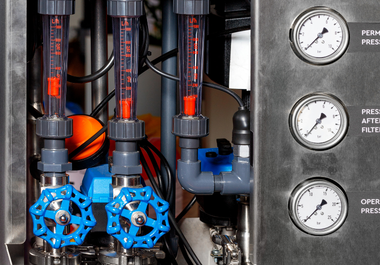
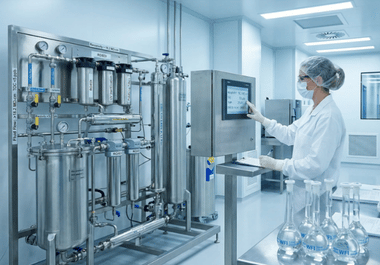
In pharmaceutical manufacturing, water quality is not just a process requirement—it is a critical factor that influences product quality, regulatory compliance, and operational reliability. As production standards continue to evolve, manufacturers need water treatment systems that can consistently deliver high-purity water while minimizing contamination risks.
Our team helps pharmaceutical facilities implement reliable RO membrane solutions tailored to their process requirements. With the right system design, monitoring strategy, and technical support, manufacturers can improve water quality performance, strengthen compliance efforts, and build a more efficient and dependable production environment.

An efficiently designed water and wastewater treatment system will reduce energy consumption and operating costs, ensure reliable treatment performance, and extend the lifespan of your equipment and infrastructure. We are here to support you every step of the way.