0
฿0.00
An empty cart
You have no item in your shopping cart


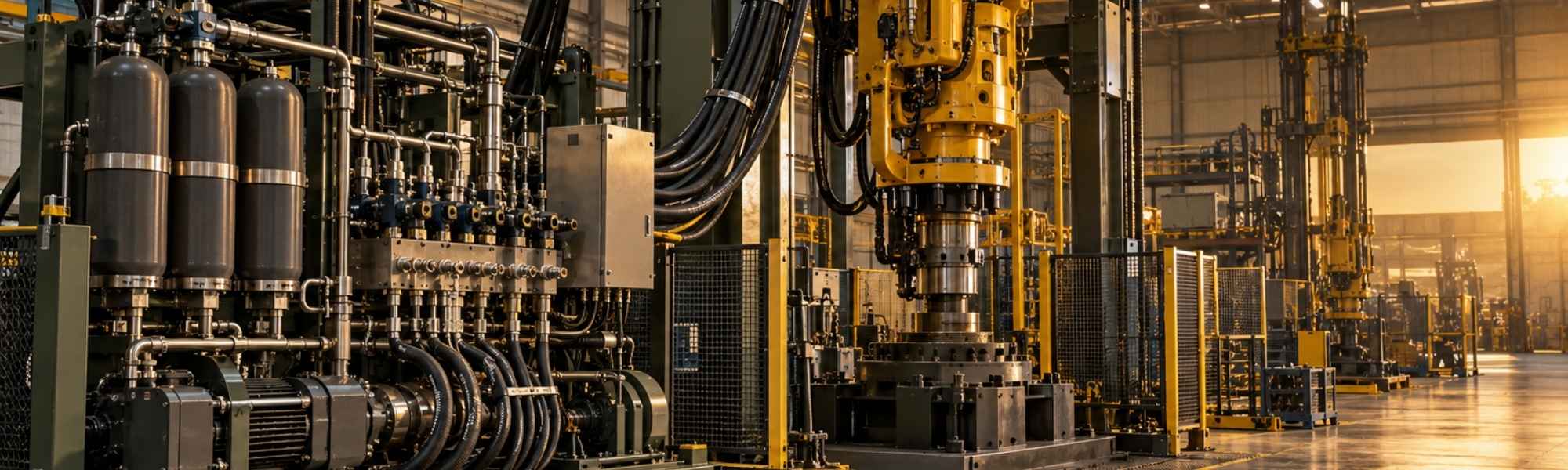
Oil and gas operations place exceptional demands on equipment. High pressure, vibration, heavy loads, abrasive contamination, temperature changes, corrosive fluids, and continuous operation can challenge even the strongest components. A single leaking connection or malfunctioning hydraulic control can interrupt production, create environmental risk, and expose personnel to serious hazards.
Reliable fluid connection and motion control systems help drilling and production equipment operate safely, precisely, and consistently in these demanding conditions.
Fluid connection systems transport hydraulic oil, gas, water, chemicals, fuel, and other process media between equipment. A complete system may include:
Every component must be compatible with the fluid, operating pressure, temperature, environment, and connection method. Incorrect material selection or poor installation can lead to corrosion, leakage, pressure loss, premature hose failure, and increased maintenance.
Well-designed connections can simplify equipment assembly, reduce potential leak points, improve maintenance access, and support faster component replacement.
Motion control systems convert hydraulic or electrical power into controlled movement. Hydraulic systems are especially valuable where equipment must generate high force, hold heavy loads, and continue working in rugged environments.
Typical components include hydraulic pumps, motors, cylinders, accumulators, directional valves, pressure-control valves, proportional controls, electronic controllers, and filtration systems.
Accumulators can store hydraulic energy, manage pressure fluctuations, and provide emergency or peak-flow capacity.
Control valves regulate direction, pressure, and flow, while pumps and motors deliver the power needed to move equipment.
Fluid connections and motion controls should be designed as one coordinated system. A high-performance pump cannot operate reliably if hoses are undersized, hydraulic oil is contaminated, fittings restrict flow, or valves are incorrectly selected.
An integrated design can help provide:
Filtration and condition monitoring are also essential. Clean hydraulic fluid protects pumps, valves, motors, and actuators, while pressure, temperature, and contamination monitoring can identify developing problems before they cause failure.
Engineers should evaluate maximum and normal operating pressure, flow rate, fluid type, temperature, vibration, impulse cycles, contamination level, environmental exposure, equipment movement, installation space, and applicable safety requirements.
Components used in hazardous areas may also require appropriate certification and documentation. Equipment for offshore, sour-gas, high-temperature, or corrosive environments may need specialised materials and sealing technologies.
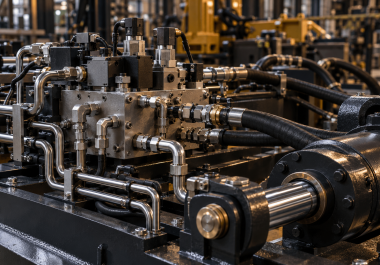
Selecting individual components from a catalogue is only one part of building a reliable oil and gas system. Hoses, fittings, valves, pumps, cylinders, accumulators, filtration, and controls must work together under real operating conditions.
Our engineering team can review your pressure, flow, movement, environmental, and safety requirements before recommending a coordinated solution. Whether your objective is to reduce leaks, improve machine response, simplify maintenance, or increase equipment uptime, contact us to develop a fluid connection and motion control system designed around your operation.

Efficient motion systems boost production speed, cut energy use and costs, and maximize performance of actuators, drives, and automation. Domnick (Thailand) is here to support you.