0
฿0.00
An empty cart
You have no item in your shopping cart


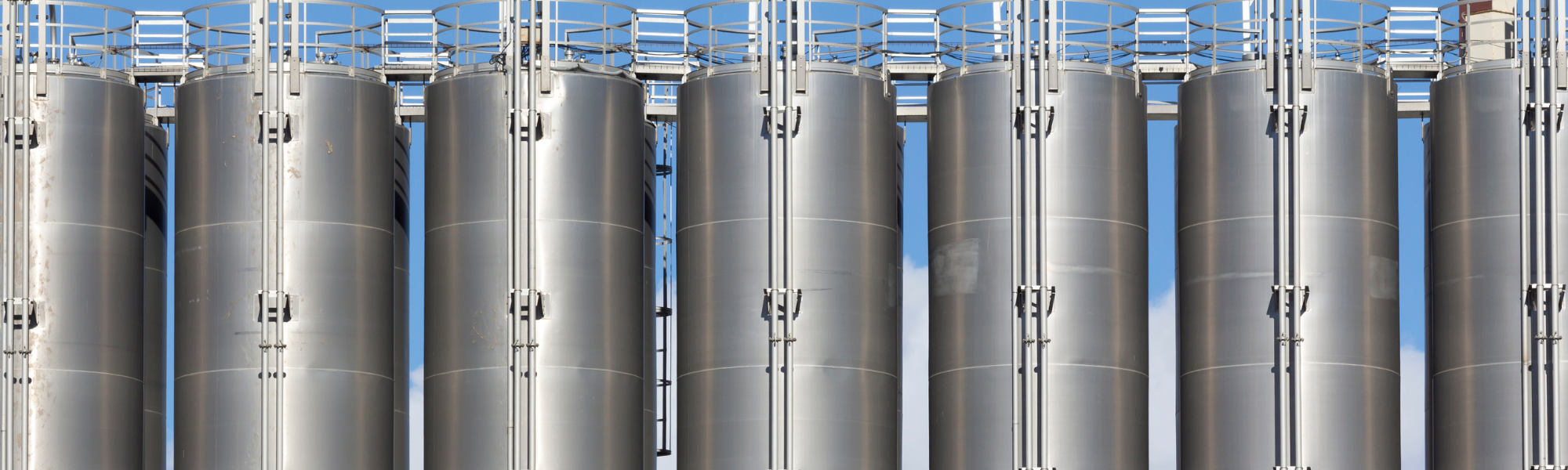
Chemical manufacturing involves handling a wide range of raw materials, powders, pigments, additives, and fine particulates. While these materials are essential to production, they can also generate airborne dust that poses risks to product quality, worker safety, equipment reliability, and regulatory compliance.
As production processes become more advanced and quality expectations continue to rise, dust collection has evolved from a basic housekeeping measure into a critical part of plant design. A well-engineered dust collection system not only improves workplace cleanliness but also supports safer operations, protects valuable assets, and contributes to long-term manufacturing performance.
Many chemical manufacturing processes require precise control over material handling and production conditions. Airborne contaminants can interfere with weighing, mixing, packaging, and other critical operations, affecting both product consistency and process reliability.
By removing dust directly from production areas, dust collection systems help maintain cleaner workspaces while reducing the possibility of cross-contamination between materials. This is particularly important for manufacturers producing multiple products within the same facility or handling fine specialty chemicals that require strict process control.
Cleaner production environments also make it easier to maintain consistent operating conditions and support overall quality assurance objectives.
Dust collection systems play an important role in protecting both people and production assets.
Removing airborne particles helps reduce employee exposure to dust while improving visibility and overall workplace conditions. At the same time, cleaner air helps prevent dust from entering sensitive equipment, reducing wear on mechanical components and extending the service life of production machinery.
A properly designed dust collection system can also improve maintenance efficiency by reducing dust accumulation throughout the facility, allowing operators to spend less time on cleaning and more time focusing on production.
Every chemical manufacturing process generates different types and volumes of dust. Factors such as particle size, material characteristics, airflow requirements, and production layout all influence the selection of an appropriate dust collection system.
Rather than applying a standard solution, manufacturers benefit from evaluating the entire production process—from material transfer and mixing to packaging and storage—to identify where dust is generated and how it can be captured most effectively.
A customized approach helps improve collection efficiency while supporting plant safety, operational reliability, and future production growth.
By combining effective airborne dust control with process-specific system design, manufacturers can create safer working environments, protect valuable production equipment, reduce maintenance requirements, and support reliable long-term plant performance.
Dust collection is no longer simply about maintaining a clean factory—it is a strategic investment in safety, product quality, equipment protection, and operational efficiency. As chemical manufacturing continues to evolve, effective dust management plays an increasingly important role in supporting reliable and sustainable production.
By implementing the right dust collection solution, manufacturers can create a cleaner, safer, and more productive working environment while strengthening the long-term performance of their operations.
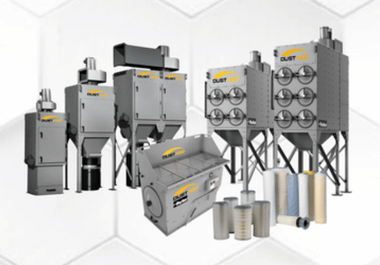
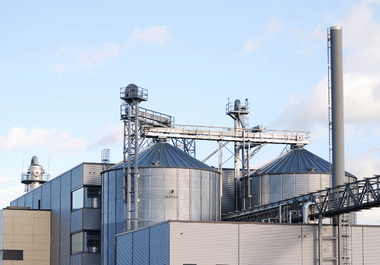
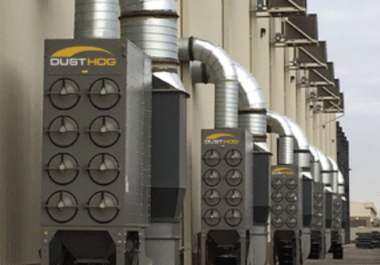
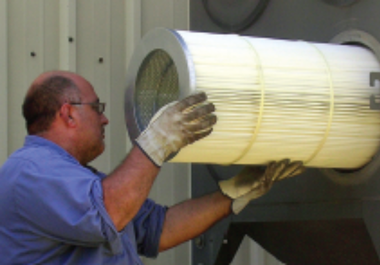
Every chemical manufacturing process presents different dust characteristics, operational challenges, and safety considerations. That’s why selecting a dust collector should never be based on airflow capacity alone. Understanding the type of material, dust behavior, production layout, and applicable safety requirements is essential to designing a system that delivers reliable performance over the long term.
Our engineering team works closely with customers to assess dust-generating processes, identify potential operational and safety risks, and recommend dust collection solutions tailored to each application. Whether you’re planning a new production facility or improving an existing process, we’re here to help you create a cleaner, safer, and more efficient manufacturing environment.

Domnick (Thailand) is here to help. Whether you’re in the early stages of planning your clean air filtration system for a new facility or considering an upgrade or expansion of your existing setup, our team of Air Filtration and Collector System design experts is ready to assist you.