0
฿0.00
An empty cart
You have no item in your shopping cart


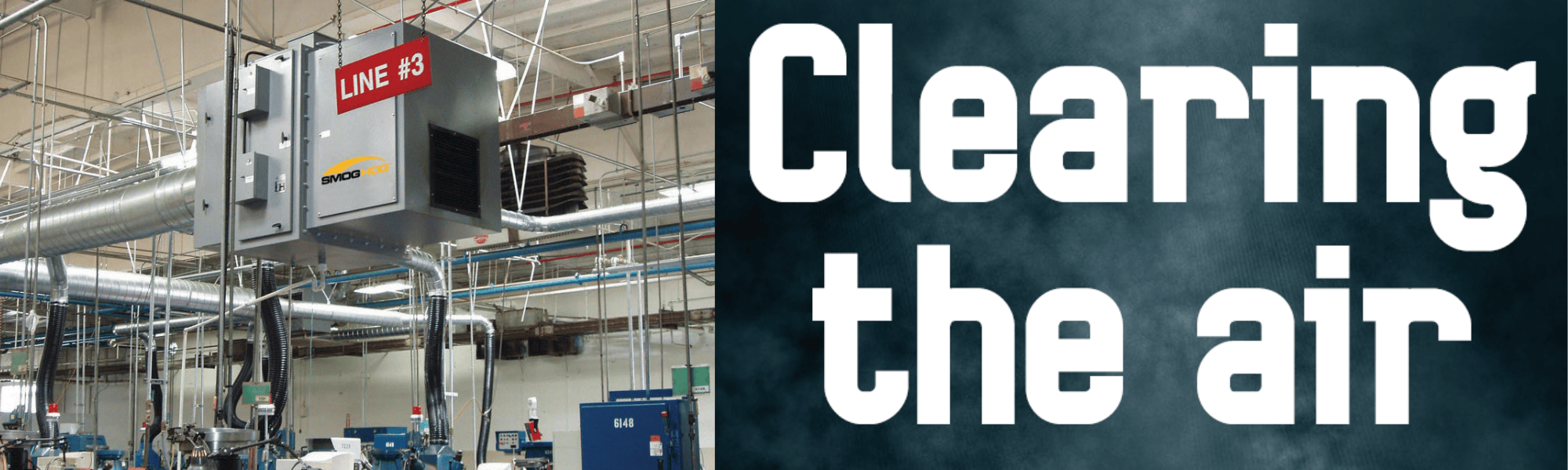
In many industrial environments, dust and mist are unavoidable by-products of daily operations. From manufacturing and food processing to woodworking and metalworking, airborne particles are generated continuously. While often overlooked, these contaminants can create serious risks if not properly managed.
Uncontrolled dust and mist can lead to unsafe working conditions, environmental pollution, reduced equipment performance, and increased maintenance efforts. More importantly, it can put businesses at risk of failing to meet safety and environmental regulations.
This is why investing in an effective dust collector solution is no longer optional — it is a critical component of modern industrial operations.
Airborne pollutants do more than just affect air quality — they impact the entire operation.
Fine dust particles and mists can be harmful when inhaled, potentially leading to respiratory issues and long-term health concerns for employees. In some cases, certain dust types may even be combustible, increasing the risk of fire or explosion.
Dust accumulation can interfere with machinery, reducing efficiency and increasing wear and tear. This leads to higher maintenance costs and unexpected downtime.
Regulatory bodies require strict control of workplace air quality. Failure to manage airborne contaminants can result in penalties, operational shutdowns, or reputational damage.
Not all dust collection systems are the same. One of the most important considerations is understanding that every application is unique.
A well-designed solution depends on:
Working with an experienced provider ensures that the system is properly designed to address specific challenges, rather than applying a one-size-fits-all solution.
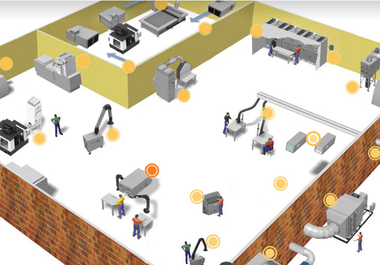
There are two main approaches to dust collection, and each serves a different purpose depending on how and where airborne contaminants are generated within the facility.
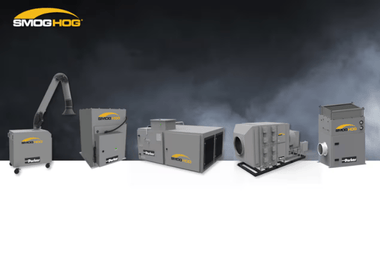
These systems capture contaminants directly at the point of generation. Examples include extraction arms, hoods, and localized collectors.
Source capture is highly effective for:
By removing pollutants at the source, these systems prevent contaminants from spreading throughout the facility.
Ambient systems clean the air throughout the entire facility by filtering airborne particles.
This method is ideal for:
In many cases, combining both systems provides the best results for maintaining clean air.
Selecting the right filtration technology is key to system performance.
ESP systems use electrical charges to capture particles from the air. They are:
However, they require periodic cleaning and maintenance.
These systems use specialized filter materials to capture dust and mist. Benefits include:
They are widely used in manufacturing, metalworking, and woodworking applications.
Investing in the right dust collection system delivers measurable benefits:
Cleaner air reduces health risks and creates a safer working environment for employees.
A properly designed system helps meet safety and environmental standards, reducing legal and operational risks.
Removing dust and contaminants improves machine reliability and reduces maintenance costs.
Healthier employees and fewer disruptions lead to higher efficiency and output.
Reduced downtime, lower maintenance, and improved operations contribute to long-term cost savings.
Designing an effective dust collection system requires expertise. From evaluating hazards to selecting the right technology and ensuring proper airflow, every detail matters.
A professional solution provider will:
This approach ensures not only compliance — but long-term performance and reliability.
Dust collection is not just about meeting regulations — it is about protecting your people, your equipment, and your business.
By implementing the right dust collector solution, companies can create a safer workplace, improve operational efficiency, and achieve sustainable growth. In today’s competitive industrial environment, clean air is not a luxury — it is a necessity.
Dust and mist may seem like a routine part of industrial operations, but without proper control, they can quickly impact safety, equipment performance, and regulatory compliance. The key is not just removing contaminants but capturing them efficiently at the right point in your process.
Our team helps design tailored dust collection solutions based on your specific application, ensuring effective air quality control while improving productivity and reducing long-term operational risks. With the right system in place, clean air becomes a reliable part of your everyday operation not a challenge.

Domnick (Thailand) is here to help. Whether you’re in the early stages of planning your clean air filtration system for a new facility or considering an upgrade or expansion of your existing setup, our team of Air Filtration and Collector System design experts is ready to assist you.