0
฿0.00
An empty cart
You have no item in your shopping cart



In food processing environments, maintaining cleanliness and safety is not just a priority, it is a requirement. However, many production processes such as blending, mixing, coating, and packaging generate fine dust particles that can quickly spread throughout the facility.
These airborne particles may seem harmless, but in reality, they can create serious challenges. Dust from ingredients like flour, sugar, starch, and seasonings can accumulate on machinery and floors, leading to contamination risks, slippery surfaces, and increased maintenance costs.
Without proper dust collection, these issues can affect product quality, operational efficiency, and even workplace safety.
Airborne dust can migrate across production lines, increasing the risk of cross-contamination between different products or ingredients.
Certain food particles, such as sugar and starch, are combustible. If not properly controlled, they can pose a serious fire or explosion risk.
Dust buildup on machinery reduces efficiency, increases wear, and leads to more frequent cleaning and maintenance.
Unlike general industrial applications, dust collectors for food processing must meet stricter design and hygiene standards.
Key design considerations include:
These features ensure that the system not only removes dust but also supports food safety and compliance requirements.
Modern dust collector systems use advanced filtration technologies to improve efficiency and reduce operating costs.
One key innovation is nanofiber filter technology, which captures extremely fine particles on the surface of the filter. This prevents dust from embedding deep into the filter media, making cleaning more effective and extending filter life.
Benefits include:
These advantages translate directly into cost savings and improved system performance over time.
Dust collector solutions can be applied across a wide range of food processing activities, including:
They can also be integrated with equipment such as conveyors, chutes, and bin vents to ensure consistent dust control throughout the process.
This flexibility makes dust collectors an essential part of modern food production systems.
Cleaner air reduces contamination risks and supports compliance with food safety standards.
Minimizing airborne dust reduces slip hazards and explosion risks.
Cleaner equipment operates more efficiently and requires less maintenance.
Reduced downtime, lower energy consumption, and extended filter life contribute to lower operating costs.
Dust control is not just about cleanliness — it is about protecting your people, your products, and your operations.
A well-designed dust collector solution helps food manufacturers maintain high hygiene standards, improve efficiency, and reduce risks associated with airborne contaminants. In today’s competitive industry, investing in clean air is an investment in quality, safety, and long-term success.
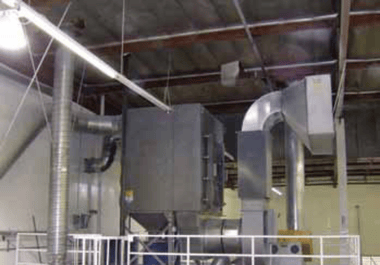
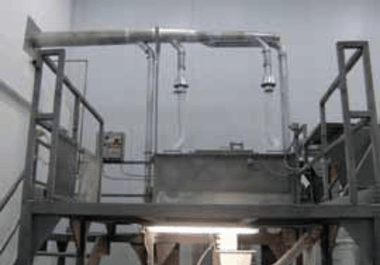
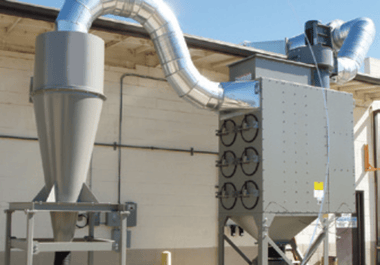
In food processing environments, dust is more than just a housekeeping issue, it directly impacts product quality, safety, and operational efficiency. Fine particles from ingredients like flour, sugar, and seasonings can easily spread, increasing the risk of contamination and equipment downtime if not properly controlled.
Our team helps design hygienic, application-specific dust collection solutions that meet food industry standards while improving air quality and system performance. With the right setup, manufacturers can achieve safer production, better product consistency, and long-term cost efficiency.

Domnick (Thailand) is here to help. Whether you’re in the early stages of planning your clean air filtration system for a new facility or considering an upgrade or expansion of your existing setup, our team of Air Filtration and Collector System design experts is ready to assist you.