฿2,930,050.00
Total: ฿2,930,050.00


Total: ฿2,930,050.00


Total: ฿2,930,050.00
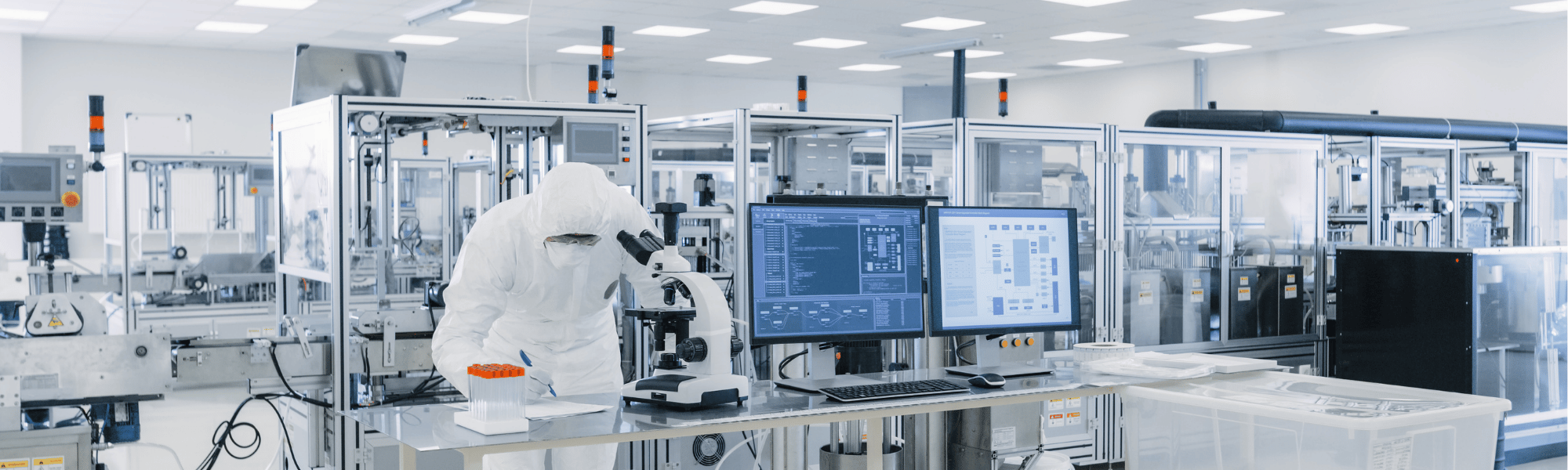
As semiconductor technologies continue to evolve, manufacturing environments are becoming increasingly complex and precise. Today’s semiconductor facilities operate at microscopic scales where even the smallest contamination can impact product quality, reduce yield, and disrupt production.
While much attention is placed on cleanrooms, process equipment, and automation, one critical utility often works behind the scenes: compressed air.
In semiconductor manufacturing, compressed air is not simply used to power equipment. It plays a direct role in supporting wafer processing, material handling, cleanroom operations, instrumentation, and other highly sensitive production activities. Because of this, air quality has become a major factor in maintaining process reliability and product consistency.
Semiconductor manufacturing requires extremely clean and controlled production environments. Even microscopic particles, moisture, or traces of oil can create defects during wafer fabrication and other precision processes.
Compressed air that contains contaminants may lead to:
As semiconductor components continue to become smaller and more advanced, manufacturers face even stricter requirements for contamination control throughout the production environment.
One of the most critical compressed air standards in semiconductor manufacturing is Clean Dry Air (CDA). CDA refers to compressed air that has been carefully treated to remove particles, moisture, oil, and other contaminants before entering sensitive production processes.
Maintaining clean, dry air is essential because contamination can originate from multiple sources, including:
Without proper air treatment, these impurities can directly affect manufacturing quality and process reliability.
Among all contaminants, moisture is one of the biggest concerns in semiconductor environments.
Excess moisture can cause corrosion, affect sensitive equipment, and introduce contamination into critical manufacturing processes. To prevent these issues, semiconductor facilities often require extremely low dew points and advanced drying technologies capable of maintaining stable air quality under demanding operating conditions.
As production standards become more demanding, moisture management is no longer viewed as a maintenance issue—it has become an essential part of quality control.
Compressed air is widely used throughout semiconductor facilities for pneumatic controls, wafer handling systems, process tools, testing equipment, and automated production systems.
Because many of these applications operate inside controlled cleanroom environments, compressed air quality must align with strict contamination control strategies. Even a minor fluctuation in air quality can affect process consistency and overall manufacturing performance.
This is why manufacturers increasingly focus on complete compressed air management, including filtration, drying, monitoring, and continuous system optimization.
As global demand for semiconductors continues to increase, manufacturers are under pressure to improve efficiency while maintaining exceptionally high quality standards.
Rather than viewing compressed air as a basic utility, many manufacturers now consider it a strategic asset that directly contributes to production quality and business performance.
In semiconductor manufacturing, precision depends on more than advanced equipment and cleanroom technology. The quality of compressed air can directly influence product integrity, process stability, and overall production efficiency.
As contamination control requirements continue to become more demanding, investing in clean, dry, and reliable compressed air systems is becoming an essential part of building a future-ready semiconductor operation. In an industry where microscopic defects can create significant losses, air quality remains one of the most valuable resources inside the facility.
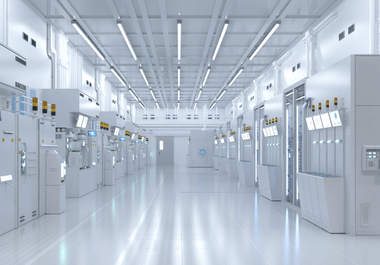
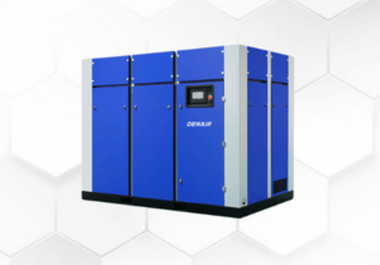
In semiconductor manufacturing, compressed air quality directly influences production yield, process stability, and contamination control. As fabrication technologies continue to advance, manufacturers need clean, dry, and highly reliable air systems capable of supporting increasingly sensitive production environments.
Our team helps semiconductor facilities develop compressed air solutions designed to improve air quality performance, reduce contamination risks, and support long-term operational reliability. With the right air treatment strategy, manufacturers can strengthen process consistency while protecting critical production assets.

Efficient air systems save costs, ensure clean supply, and extend equipment life. Domnick (Thailand) can help design or upgrade yours.