฿1,960.00
Total: ฿1,960.00

Total: ฿1,960.00


Total: ฿1,960.00
In today’s world, where environmental sustainability is a global priority, managing industrial pollution is no longer optional—it’s essential. Among the key challenges faced by manufacturers is the control of oil and oil mist emissions, which can have serious impacts on both the environment and human health. Selecting the right oil separator and mist eliminator is therefore critical for maintaining safe, compliant, and efficient operations.
Oil Separators
An oil separator is designed to remove oil and grease contaminants from wastewater before discharge into treatment systems or natural waterways.
Common Types of Oil Separators
Gravity Oil Separator
Coalescing Plate Oil Separator
API Oil Separator
Membrane Oil Separator
Mist Eliminators
A mist eliminator captures and removes oil mist, vapor, and fine aerosols from industrial air streams before they are released into the atmosphere.
Common Types of Mist Eliminators
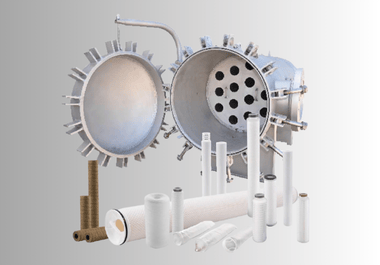
Fiber Bed Mist Eliminator
Vane-Type Mist Eliminator
Cyclonic Mist Eliminator
Electrostatic Mist Eliminator
Oil separators rely on density differences—oil naturally rises to the surface while water and solids sink. The separated oil is then collected and removed.
Mist eliminators use filtration, directional airflow changes, or centrifugal force to capture tiny oil droplets, which then coalesce and drain away as liquid.
Why These Systems Matter
Reduce water and air pollution for a cleaner environment
Improve wastewater and air quality within the facility
Lower operating and maintenance costs
Ensure compliance with environmental regulations
These systems are vital across multiple industries:
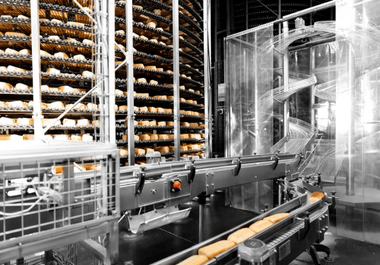
Food & Beverage – Removes oil and grease from wastewater in frying and cleaning processes; controls cooking mist and odor in kitchens.
Automotive & Parts – Separates lubricants and solvents from wash water; captures paint and solvent mist.
Petrochemical & Refining – Separates hydrocarbons from process water and exhaust vapors.
Machinery Manufacturing – Treats coolant and cutting oil wastewater; reduces airborne mist in machining operations.
Metal & Plating – Handles oily wastewater and acid mist from plating processes, protecting workers and equipment.
Type and concentration of oil or mist
Required separation efficiency and target discharge levels
Airflow and water volume to be treated
Material and durability against corrosion or chemicals
Installation space and maintenance accessibility
Availability of parts and service support
At Domnick (Thailand), we understand the challenges of oil and mist control across industrial sectors. With over 29 years of experience and advanced treatment technology from the UK, we offer complete, high-performance solutions—from system design and product supply to professional installation and after-sales support.
Whether you need an oil separator or a mist eliminator, our expert team will help you select the right system to meet your environmental goals and compliance standards.

Domnick (Thailand) is ready to assist you with your process filtration needs. Whether you’re designing a new system, upgrading your existing setup, or seeking to improve efficiency and purity across your operation, our filtration specialists are here to help you choose the right solution for your application.