฿755.00
Total: ฿755.00


Total: ฿755.00


Total: ฿755.00
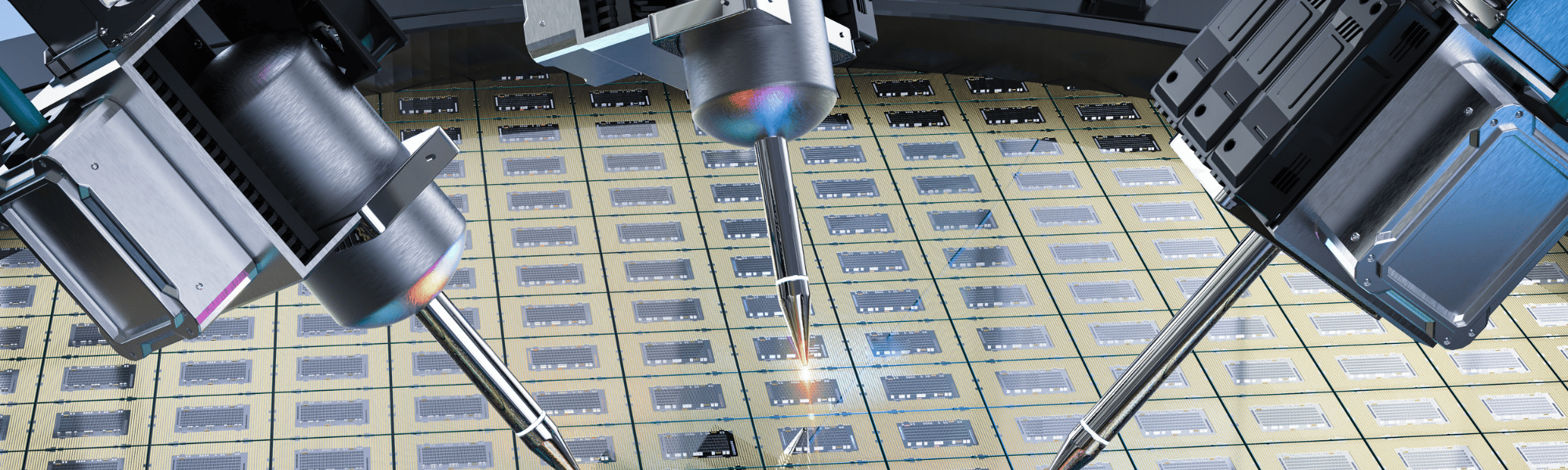
In the semiconductor industry, success is measured in nanometers. As chip designs become increasingly complex and manufacturing processes continue to advance, even the smallest airborne particle can have a significant impact on product quality, process stability, and production yield.
Unlike many manufacturing environments, semiconductor facilities operate under extremely strict contamination control requirements. Microscopic particles, chemical vapors, and airborne molecular contaminants can interfere with wafer fabrication, damage sensitive components, and create costly production defects. This is why air filtration has become one of the most critical technologies supporting modern semiconductor manufacturing.
Semiconductor fabrication takes place inside highly controlled cleanroom environments designed to minimize contamination. However, maintaining these conditions is an ongoing challenge.
While these contaminants may be invisible to the naked eye, they can cause defects during wafer processing, impact circuit performance, and reduce manufacturing yield.
As semiconductor components continue to shrink in size, contamination control becomes even more important.
Effective contamination control is essential for protecting product quality, maintaining yield, and supporting reliable semiconductor manufacturing operations.
Air filtration systems play a central role in maintaining the ultra-clean environments required for semiconductor production.
Modern cleanrooms rely on multiple stages of filtration to continuously remove contaminants from circulating air. High-efficiency filtration technologies such as HEPA and ULPA filters help capture extremely small particles before they can reach sensitive manufacturing processes.
These systems work alongside controlled airflow strategies designed to keep particles moving away from critical production areas. By maintaining stable air quality, manufacturers can better protect process integrity and reduce the risk of contamination-related defects.
As semiconductor technology advances, manufacturers face challenges that go beyond traditional particle filtration.
Airborne molecular contaminants—including acids, organic compounds, ammonia, and other trace gases—can affect sensitive processes even at extremely low concentrations. These contaminants may interfere with photolithography, corrode components, and impact wafer quality.
For this reason, advanced semiconductor facilities increasingly incorporate specialized filtration strategies designed to address both particulate and molecular contamination. This holistic approach helps create a more stable and reliable production environment.
In semiconductor manufacturing, contamination is not simply a cleanliness issue—it is a business issue.
When airborne contaminants enter the production process, manufacturers may experience:
Effective air filtration helps minimize these risks while supporting more predictable production outcomes. By maintaining cleaner environments, manufacturers can improve efficiency, protect equipment, and optimize long-term manufacturing performance.
As global demand for advanced semiconductor technologies continues to grow, manufacturers are under increasing pressure to improve quality, reliability, and production efficiency.
Air filtration is no longer viewed simply as a facility requirement—it has become a strategic investment in operational excellence. A well-designed filtration system helps support cleanroom performance, contamination control, and process reliability while strengthening confidence across the entire manufacturing operation.
In an industry where microscopic contamination can lead to major production losses, clean air remains one of the most valuable assets inside the facility.
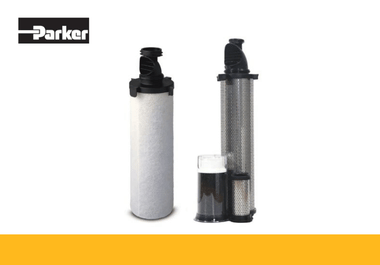
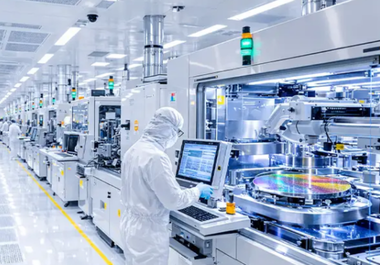
In semiconductor manufacturing, contamination control begins with air quality. As chip technologies continue to advance, even microscopic airborne particles can impact production yield and process reliability. A properly designed air filtration strategy helps manufacturers maintain cleanroom performance, reduce contamination risks, and support long-term operational stability.

Efficient air systems save costs, ensure clean supply, and extend equipment life. Domnick (Thailand) can help design or upgrade yours.