0
฿0.00
An empty cart
You have no item in your shopping cart


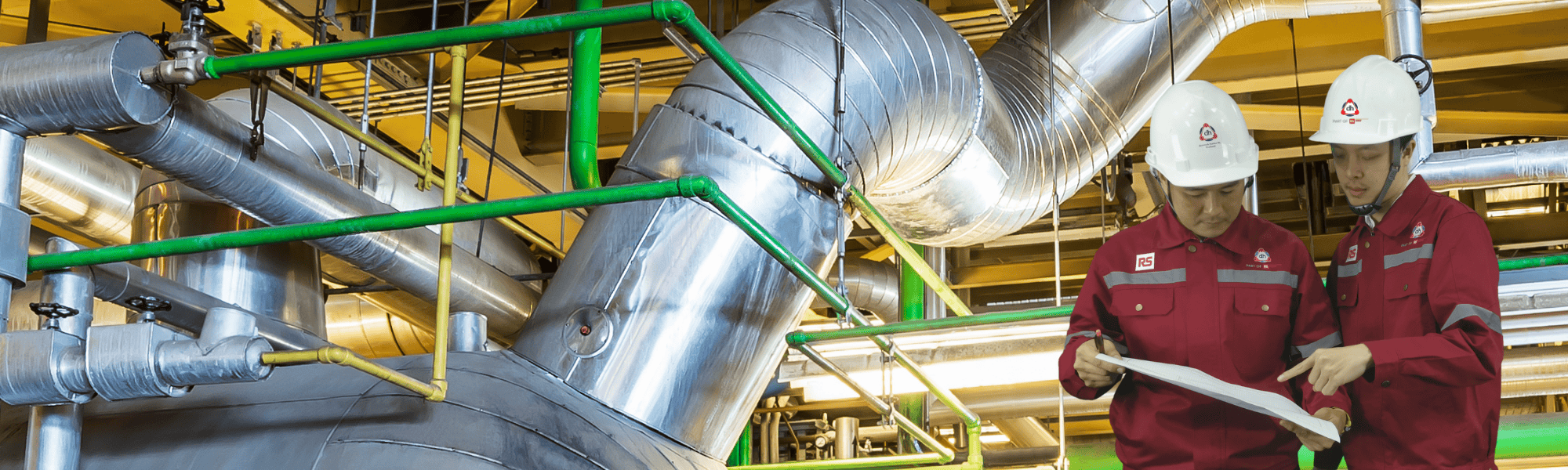
Air compressors are among the most widely used pieces of equipment in industry, powering tools, driving pneumatic systems, and supporting manufacturing and processing operations. However, compressed air is often one of the most expensive utilities in a facility because inefficiencies can lead to wasted energy and increased operating costs. Understanding and optimizing Air Compressor Efficiency, particularly the concept of Free Air Delivery (FAD), is essential for performance, cost control, and long-term reliability.
In this article, we will explain what FAD means, how it affects overall efficiency, how it’s measured, and how facilities can maximize the value of their compressed air systems.
Free Air Delivery (FAD) is a standard performance metric used to measure the actual usable volume of compressed air a compressor delivers, expressed as a flow rate referenced to ambient atmospheric conditions. In other words, FAD tells you how much free (non-compressed) air the compressor can take in, compress, and deliver at a set pressure, then converted back to the equivalent volume at inlet conditions (standard pressure and temperature).
Unlike simple measurements that look only at pressure or theoretical displacement, FAD accounts for real operating conditions, making it a more accurate and practical indicator of compressor performance. It is typically expressed in units like:
m³/min (cubic meters per minute)
CFM (cubic feet per minute)
L/s (liters per second)
The standard reference conditions for FAD measurements are usually set at an inlet pressure of 1 bar (atmospheric), a temperature of 20°C, and negligible relative humidity.
Many compressor catalogs list “displacement”, the theoretical maximum volume of air a compressor could move. But displacement is not the same as usable compressed air. Due to compressor design, leaks, and internal inefficiencies, the actual delivered volume is always lower than the theoretical figure.
FAD eliminates these variables by recalculating delivered compressed air back to ambient conditions, making it a standardized baseline for comparing machines. This meaningful measure allows engineers and buyers to evaluate whether a compressor can truly meet the application’s demands under real working conditions.
Measuring FAD is not as simple as reading a pressure gauge. It involves:
Measuring the air inlet conditions — temperature, atmospheric pressure, and humidity at the compressor suction.
Measuring compressed air volume at the discharge — usually with a flow meter.
Converting the outlet volume back to inlet conditions using standardized calculation methods (ISO 1217).
This recalculation ensures that the volume flow rate represents how much air would have been delivered at atmospheric conditions before compression.
Because environmental conditions (temperature, humidity, altitude) affect air density, manufacturers and plants often rely on standardized test conditions to ensure apples-to-apples comparisons between compressors.
There are several commonly used terms that describe air flow, and understanding the differences can help you interpret compressor ratings:
CFM (Cubic Feet per Minute) : an imperial unit for air flow. Without standardization, CFM can be ambiguous.
ACFM (Actual CFM) : the flow rate measured at actual site conditions.
SCFM (Standard CFM) : resized to a defined standard temperature and pressure.
FAD : compressor output converted specifically back to inlet (ambient) conditions.
In industrial compressor specs, FAD is increasingly the preferred performance indicator because it reflects usable, real-world output that facilities can depend on when designing and operating compressed air systems.
By correcting for actual inlet conditions, Free Air Delivery (FAD) allows plant engineers to compare different compressor models on a truly equal basis. Rather than relying on theoretical ratings, FAD reflects the real usable air delivered under operating conditions.
Understanding FAD ensures that the equipment you select will deliver the required airflow in your environment — not just on paper, but in real-world operation.
Selecting an air compressor based on FAD instead of displacement helps prevent underperforming or oversized systems. Undersized compressors struggle to meet peak demand, while oversized units cycle excessively and operate inefficiently.
Both scenarios lead to unnecessary energy consumption, increased wear, and higher lifecycle costs — all of which can be avoided by using FAD as the sizing reference.
Compressor efficiency is directly linked to FAD. The greater the amount of usable compressed air delivered per unit of input power, the more efficient the overall system becomes.
For facilities operating compressors continuously, even small improvements in specific power can translate into substantial annual energy savings, making FAD a critical metric for long-term efficiency improvement.
Regular measurement of system performance, including FAD checks, helps you identify maintenance needs, leaks, or control issues that reduce effective output.
Leaks and unnecessary pressure drops not only waste air but also increase load cycles and energy use. A system with fewer leaks delivers more usable compressed air without increased power consumption.
Variable speed drives and advanced compressor controls help match compressed air production to actual demand, reducing unload time and improving efficiency under fluctuating loads.
Clogged filters, worn seals, and incorrect air treatment components can reduce the actual delivered volume. Proactive maintenance helps preserve FAD and efficiency.
Understanding and optimizing Free Air Delivery is essential for any facility that relies on compressed air. Instead of relying on simplistic displacement ratings, focusing on FAD gives a clear picture of usable output, efficiency, and cost-effectiveness.
Selecting, measuring, and optimizing compressors based on FAD enables businesses to improve performance, reduce energy costs, and build a more reliable compressed air infrastructure, a key advantage in competitive industrial operations.

For many industrial facilities, compressed air is essential—but it is also one of the most energy-intensive utilities in operation. While air compressors may appear to deliver sufficient pressure, true system efficiency is determined by how much usable air is actually produced. This is where Free Air Delivery (FAD) becomes a critical performance indicator.
Our specialists help businesses evaluate and optimize compressed air systems by focusing on real delivered airflow, energy efficiency, and long-term operating cost. By understanding FAD, facilities can make informed decisions when selecting compressors, improving system design, and reducing unnecessary energy waste.
We support our customers with:
Compressed air system assessments based on actual FAD and demand
Efficiency-focused compressor selection and system design
Leak detection, pressure optimization, and airflow improvement
Preventive maintenance and performance monitoring
Expert recommendations to reduce energy consumption and operating costs
With the right insight into FAD and system efficiency, compressed air can shift from being a hidden cost to a well-controlled, high-performance utility that supports sustainable and reliable operations.

We provide end-to-end Energy Efficiency Audits that improve compressed air and cooling systems, uncover inefficiencies, and drive cost savings.