0
฿0.00
An empty cart
You have no item in your shopping cart


Compressed Air Storage
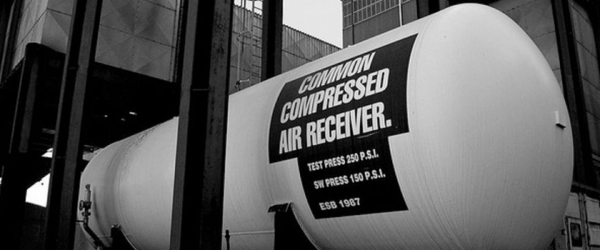
The right receiver tank evens out demand spikes, improves dryer performance, and can let you run a smaller compressor. Use storage strategy to stabilize pressure and lower total energy cost.

Air cools in the receiver and sheds moisture before entering the dryers, often allowing a smaller drying system.
Provides instantly usable, dry air for sudden peaks. Ideal when processes require clean, dry air on demand.
If usage is highly variable with quick bursts, plan for more storage. As a general guideline, size about 3–5 gallons of receiver capacity per compressor CFM. A practical split for many plants is roughly 1/3 wet to 2/3 dry storage.
Design Smarter : 6 More Essentials in Compressed Air System Design

Save energy, lower costs, and ensure reliable clean air. Whether building new or upgrading, Domnick (Thailand) delivers expert compressed air system design tailored to your needs.