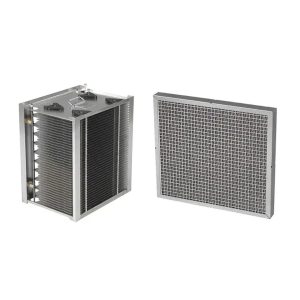
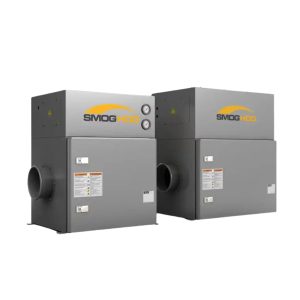
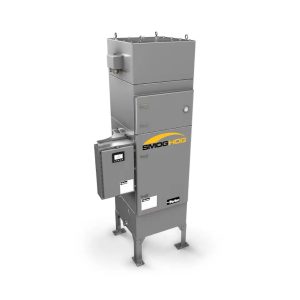
A comprehensive line of ready-to-use, plug-and-run products utilizing two filtration methods to effectively remove wet mist particles from the air.

Mist & Smoke Collectors

CONTACT OUR ENGINEER
SmogHog ถูกออกแบบมาอย่างครบครัน สามารถติดตั้งและใช้งานได้ทันที มาพร้อมเทคโนโลยีการกรองอากาศสองระบบ ที่ช่วยดักจับและกำจัดละอองหมอกเปียกในอากาศได้อย่างมีประสิทธิภาพสูงสุด

เครื่องดักจับละอองและควัน

ติดต่อทีมวิศวกร
Mist-Smog-Collectors
ESP or Media Technology?

ESP or Media Technology?

We have options for you and will not force-fit an air pollution control product into your application. We have technology for all applications, whether smoke, fume, or mist. Learn more about the primary advantages and disadvantages of ESP and Media style collectors, when to use each style collector, and what size particulate will be filtered with each. View the product comparison to better understand the best technology for your air pollution control.
View Product Comparison PDF

SmogHog® ESP Collectors vs Media Mist Collectors

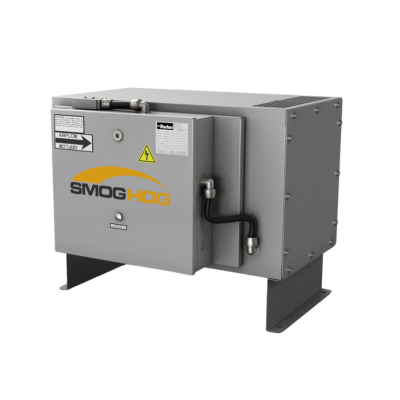
SmogHog® Electrostatic Precipitator (ESP)

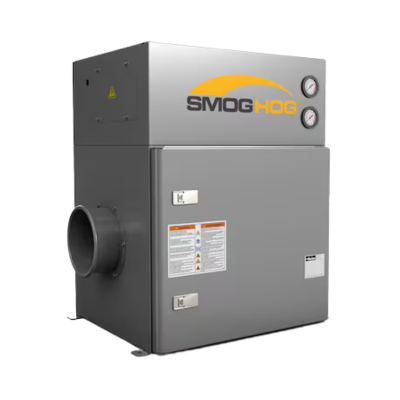
SmogHog Electrostatic Precipitator Collector
  • Technology Type: Static electric charge applied to mist/fume/smoke particles
  • Performance: 94% – 99% efficiency (single pass 94%, double pass 98%)
  • Maintenance: Collection cell cleaning
  • Service Frequency: 1–6 months
  • Cost of Service: $0–$
  • Pollutant Type: Dirty greasy smoky residue that does not drain
  • Applications: Cold Heading, Thread Rolling, High Viscosity Coolant Mist, Lubrication, Smoke
  • Temperature Rating: 130°F
Primary Advantages
  • Low energy consumption, no barrier filtration for static pressure to build
  • No replacement filters, collection cells can be washed and reused
  • Collect wet or dry particulates
  • High fractional efficiencies
  • Single pass – 94%
  • Double Pass – 98%
Primary Disadvantages
  • Internal component cleaning required

SmogHog® Peach® Coalescing™ Media Collector

SmogHog Peach Coalescing Media Collector
  • Technology Type: Coalescing filters agglomerate mist into larger particles for drainage
  • Performance: 94% – 99.97% @ 0.30 μm
  • Maintenance: Filter replacement
  • Service Frequency: 1–5 years
  • Cost of Service: $$ – $$$
  • Pollutant Type: Low viscosity cutting fluid that can run/drain
  • Applications: Water- and oil-based CNC Machining, Screw Machining
  • Temperature Rating: 180°F
Primary Advantages
  • Long filter life in the right application
  • Secondary filters can achieve 99.97% @ 0.3 micron efficiency levels
  • Optional touch screen optimizes system control and airflow performance
Primary Disadvantages
  • Filter disposal replacement is required

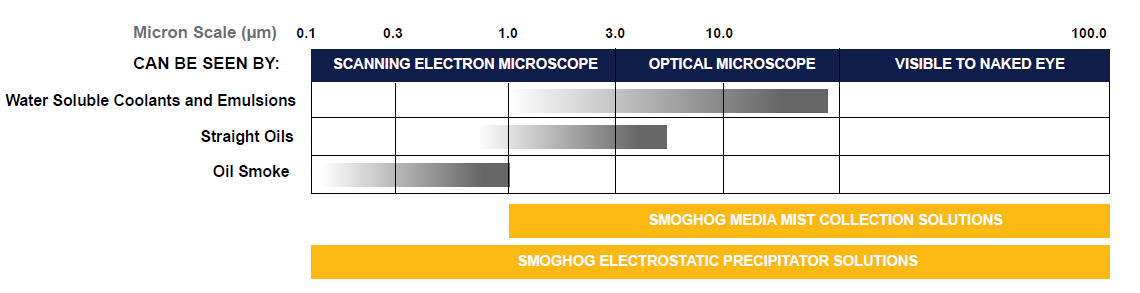
Key Differentiators

Key Differentiators chart showing ESP and Media technology particle range

When to Use ESP or Media Technology

ESP Technology

  • Ideal for smoke, fumes, and fine particulates
  • Used in applications such as Die Casting, Flame Cutting, Forging, Heat Treating, Gear Cutting, Induction Heating, Lathe/Mill/Drill, Metal Quenching, Plastic Extruding, Rubber Forming, Soldering, Thread Rolling, Welding (Oily)

Media Technology

  • Best for water- or oil-based coolant machining, centerless grinding, screw machining, and gear cutting
  • Handles larger particulate sizes efficiently and provides stable performance for mist and emulsion control

“An efficiently designed industrial clean air system improves air quality, lowers energy use, and reduces operating costs. It ensures reliable performance and extends the life of your filtration equipment and infrastructure. We’re here to support you every step of the way.”

ton

Domnick (Thailand) is here to help. Whether you’re in the early stages of planning your clean air filtration system for a new facility or considering an upgrade or expansion of your existing setup, our team of Air Filtration and Collector System design experts is ready to assist you.

DH Line QR