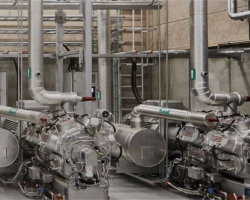
Complete HVAC & R Solution Tailored to Your Business Needs CONTACT OUR ENGINEER โซลูชัน HVAC & R ครบวงจร
ออกแบบตามความต้องการของธุรกิจคุณโดยเฉพาะ
ติดต่อทีมวิศวกร
Home » Services » HVAC & R Solutions
HVAC SYSTEM

Our Solutions

From design to installation and maintenance–optimise efficiency with quality chilled water equipment and advanced distribution systems.
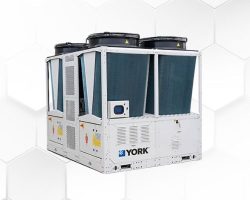
Heat Pump Chillers

Our Product Range

At Domnick, we offer one of the most reliable and comprehensive ranges of chilled water systems tailored for industrial and commercial use.

Industrial HVAC Solutions:

Design Considerations and ISO Standards


Designing industrial HVAC systems requires precise control of temperature, humidity, and airflow to maintain product quality, safety, and operational efficiency. This overview highlights key design considerations, business demands, and ISO standards to ensure your HVAC solutions meet industry requirements for performance, energy efficiency, and compliance.
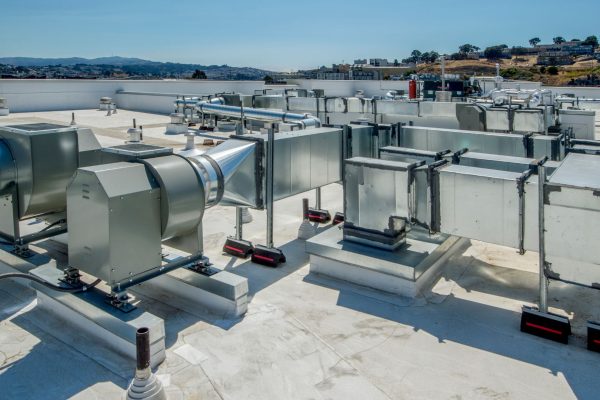
HVAC SOLUTIONS

Frequently Asked Questions (FAQ)

Why is my HVAC system not cooling or heating properly?

Several common reasons may cause your HVAC system to underperform:

  • Dirty air filters – Clogged filters restrict airflow, reducing heating and cooling efficiency.
  • Incorrect thermostat settings – The system may be set to the wrong mode or temperature.
  • Refrigerant leaks – Low refrigerant levels affect cooling capacity.
  • Blocked or leaking ductwork – Air may not reach intended zones efficiently.
  • Lack of maintenance – Worn-out parts, dirty coils, or neglected components reduce performance.
  • Oversized or undersized unit – If the system is not properly sized for the space, it may not operate effectively.
  • Electrical or sensor faults – Faulty sensors or control boards may prevent proper operation.

What causes poor airflow in my HVAC system?

Poor airflow in your HVAC system can result in uneven temperatures, reduced comfort, and system strain. Common causes include:

  • Dirty or Clogged Air Filters – The most frequent cause; restricts airflow throughout the system.
  • Blocked or Leaking Ductwork – Damaged, disconnected, or poorly designed ducts reduce airflow to intended areas.
  • Blower Motor Issues – If the fan or motor is weak, dirty, or malfunctioning, it can’t push air effectively.
  • Obstructed Vents or Registers – Furniture or objects blocking air supply or return vents limit circulation.
  • Dirty Coils – Evaporator or condenser coils covered in dust or debris reduce system efficiency and airflow.
  • Incorrectly Sized HVAC System – An oversized or undersized unit may fail to circulate air properly.
  • Closed or Damaged Dampers – Internal airflow regulators within ducts can get stuck or misaligned.
  • Low Refrigerant Levels – In cooling mode, insufficient refrigerant can reduce coil temperature and air movement.

How can I tell if my HVAC system has a refrigerant leak?

Here are common signs that may indicate your HVAC system is leaking refrigerant:

  • Reduced Cooling Performance
    • The system takes longer to cool or can’t reach the set temperature.
  • Warm Air from Vents
    • Even when set to cooling mode, the air feels lukewarm.
  • Hissing or Bubbling Sounds
    • These noises often come from refrigerant escaping through small holes or cracks in the coil or line.
  • Ice Buildup on Evaporator Coils or Refrigerant Lines
    • Low refrigerant levels cause coil temperatures to drop below freezing, leading to ice accumulation.
  • Increased Energy Bills
    • The system runs longer to compensate for reduced cooling efficiency, increasing energy consumption.
  • Short Cycling
    • The unit turns on and off frequently due to pressure imbalances.
  • Visible Oil Residue on Refrigerant Lines
    • Leaks may cause refrigerant oil to seep out and leave oily marks on or near copper lines.

Why does my HVAC system cycle on and off too frequently?

(Frequent On/Off = “Short Cycling”)

Short cycling is when your HVAC system turns on and off more often than it should. This can reduce efficiency, increase wear on components, and shorten the system’s lifespan. Common causes include:

  • Dirty Air Filter – Restricts airflow, causing the system to overheat or freeze up.
  • Oversized HVAC Unit – A unit that’s too large cools or heats too quickly and shuts off before evenly conditioning the space.
  • Thermostat Issues – Faulty sensors or poor placement (e.g., near windows or vents) can lead to incorrect readings.
  • Low Refrigerant Levels – Can trigger safety switches and lead to short cycling.
  • Electrical or Control Board Problems – Faulty relays or circuit boards may cause erratic operation.
  • Frozen Evaporator Coils – From poor airflow or low refrigerant, causing the system to shut down prematurely.
  • Blocked or Leaking Ductwork – Prevents proper air delivery, making the system cycle inefficiently.
Thong

Partner with an experienced HVAC integrator to ensure your facility meets operational, regulatory, and energy efficiency goals seamlessly.

DH Line QR