0
฿0.00
An empty cart
You have no item in your shopping cart



เราให้บริการเครื่องผลิตก๊าซไนโตรเจนที่ออกแบบมาเพื่อจ่ายก๊าซไนโตรเจนความบริสุทธิ์สูงอย่างต่อเนื่องตามความต้องการ ด้วยเทคโนโลยี PSA ที่ปลอดภัย มีประสิทธิภาพ และช่วยลดต้นทุน โดยไม่ต้องพึ่งถังบรรจุก๊าซหรือระบบก๊าซเหลวขนาดใหญ่ ไม่ว่าจะใช้กับเครื่องมือวิเคราะห์ ห้องปฏิบัติการ หรือในกระบวนการผลิต เครื่องผลิตก๊าซไนโตรเจนของเรามอบความเสถียร ประหยัดค่าใช้จ่าย และสอดคล้องตามมาตรฐานสากล
ระบบ ‘Plug and Play’ ที่สมบูรณ์แบบซึ่งออกแบบมาเป็นพิเศษสำหรับการใช้งานเชิงวิเคราะห์ที่สำคัญ โดยผลิตไนโตรเจนบริสุทธิ์ 99.9995% อย่างต่อเนื่อง
เหมาะสำหรับเครื่องมือวิเคราะห์ที่ต้องการไนโตรเจนและอากาศที่มีความบริสุทธิ์สูง ผลิตไนโตรเจนที่มีความบริสุทธิ์สูง (99.999%) และอากาศแห้งอย่างต่อเนื่อง
ระบบ ‘Plug and Play’ ที่สมบูรณ์แบบซึ่งออกแบบมาเป็นพิเศษสำหรับ Agilent 6400 และ 6500 Produces a continuous supply of LC/MS grade nitrogen.
ให้ไนโตรเจนที่มีความบริสุทธิ์สูงอย่างต่อเนื่องจากยูนิต ‘ปลั๊กแอนด์เพลย์’ ตัวเดียว มีจำหน่ายรุ่นที่มีหรือไม่มีคอมเพรสเซอร์แบบไม่มีน้ำมันในตัว
ระบบ ‘Plug and Play’ ที่สมบูรณ์แบบสำหรับการใช้งานในห้องปฏิบัติการ ผลิตไนโตรเจนบริสุทธิ์อย่างต่อเนื่องตั้งแต่ 99.8% ถึง 99.999%
ระบบ ‘Plug and Play’ ที่สมบูรณ์แบบซึ่งออกแบบมาเป็นพิเศษสำหรับการใช้งานเชิงวิเคราะห์ที่สำคัญ โดยผลิตไนโตรเจนบริสุทธิ์ 99.9995% อย่างต่อเนื่อง
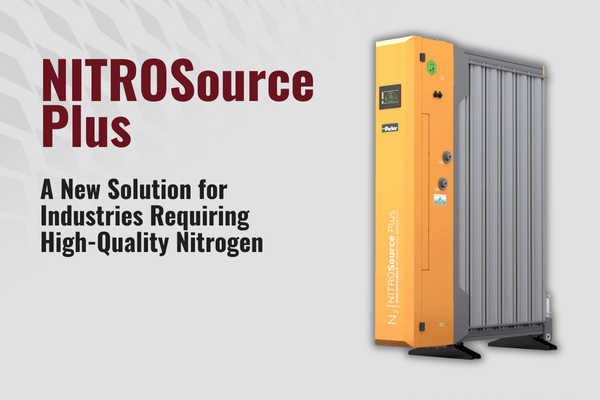
เครื่องกำเนิดก๊าซไนโตรเจนเทคโนโลยีขั้นสูงเพื่อประสิทธิภาพชั้นนำของอุตสาหกรรม แหล่งที่มาของผลผลิตที่เพิ่มขึ้น ความยั่งยืน และผลกำไร NITROSource Plus ให้ก๊าซไนโตรเจนที่มีความบริสุทธิ์ของไนโตรเจนเทียบเท่า 97% ถึง 99,9995%
โซลูชันที่คุ้มค่า เชื่อถือได้ และปลอดภัยสำหรับความต้องการไนโตรเจนขนาดเล็กถึงปานกลาง ใช้เทคโนโลยี PSA NITROSource Compact ให้ก๊าซไนโตรเจนที่มีความบริสุทธิ์เทียบเท่าไนโตรเจน 95% ถึง 99,999%
เครื่องกำเนิดก๊าซในห้องปฏิบัติการใช้ในการผลิตก๊าซชนิดเฉพาะตามความต้องการ ซึ่งเป็นทางเลือกที่สะดวกและปลอดภัยแทนถังก๊าซแรงดันสูง เครื่องกำเนิดก๊าซเหล่านี้ออกแบบมาเพื่อจ่ายก๊าซบริสุทธิ์อย่างต่อเนื่องหรือตามความต้องการสำหรับการใช้งานในห้องปฏิบัติการที่หลากหลาย ซึ่งรวมถึงแต่ไม่จำกัดเพียงแก๊สโครมาโทกราฟี (GC) โครมาโทกราฟีของเหลว-แมสสเปกโตรเมตรี (LC-MS) และเทคนิคการวิเคราะห์ สังเคราะห์ หรือถนอมรักษาอื่นๆ การใช้เครื่องกำเนิดก๊าซสามารถช่วยเพิ่มความปลอดภัย ประสิทธิภาพ และผลผลิตของห้องปฏิบัติการได้อย่างมาก
Gas generators are a critical component in modern laboratories, providing a reliable, safe, and efficient source of high-purity gases for a wide range of scientific applications. Generators can significantly improve laboratory operations, contributing to better experimental outcomes and a safer working environment. Key benefits include:
การผลิตก๊าซไนโตรเจนในห้องปฏิบัติการแบบออนไซต์เป็นโซลูชันที่ใช้งานได้จริงและคุ้มค่าสำหรับห้องปฏิบัติการหลายแห่งที่ต้องการการจ่ายก๊าซไนโตรเจนที่สม่ำเสมอและเชื่อถือได้ โดยทั่วไปแล้ว การผลิตไนโตรเจนแบบออนไซต์มีสองเทคโนโลยีหลัก ได้แก่ การดูดซับแบบสวิงแรงดัน (PSA) และการสร้างไนโตรเจนแบบเมมเบรน แต่ละวิธีมีข้อดีและเหมาะสมกับความต้องการที่แตกต่างกัน ทั้งในด้านความบริสุทธิ์ อัตราการไหล และการใช้งาน สิ่งสำคัญคือต้องพิจารณาต้นทุนการดำเนินงานและการบำรุงรักษา
เพื่อพิจารณาว่าเครื่องกำเนิดก๊าซในห้องปฏิบัติการเป็นโซลูชันที่คุ้มค่าสำหรับการใช้งานเฉพาะของคุณหรือไม่ จำเป็นต้องทำการวิเคราะห์ต้นทุน-ผลประโยชน์โดยละเอียด โดยพิจารณาต้นทุนรวมในการเป็นเจ้าของตลอดอายุการใช้งานที่คาดไว้ของอุปกรณ์ การวิเคราะห์นี้ควรครอบคลุมค่าใช้จ่ายด้านทุนเริ่มต้น ค่าใช้จ่ายในการดำเนินงาน การบำรุงรักษาที่คาดไว้ และการประหยัดต้นทุนจากการลดปริมาณการจัดส่งก๊าซและค่าเช่าถังเก็บก๊าซ สำหรับผู้ใช้ก๊าซขนาดกลางถึงขนาดใหญ่หลายราย เครื่องกำเนิดก๊าซสามารถประหยัดต้นทุนได้อย่างมากและมีข้อได้เปรียบในการดำเนินงานในระยะยาว นอกจากนี้ยังมีประโยชน์เพิ่มเติมที่ควรพิจารณา เช่น ความสะดวกสบาย ความปลอดภัย และผลกระทบต่อสิ่งแวดล้อม
Laboratory gas generators can supply various gases (such as nitrogen, hydrogen, and zero air) for applications ranging from gas chromatography to mass spectrometry and beyond. To ensure you select a system that meets your specific needs, delivers efficiency, and provides reliability you must consider several factors. Review the following considerations as you make your decision:
“An efficiently designed gas generator systems will reduce energy and operating costs, ensure an adequate supply of high purity, quality gas, and maximize the life and reliability of your gas generator.”

ดอมนิค (ประเทศไทย) ยินดีให้ความช่วยเหลือ หากคุณกำลังอยู่ในช่วงเริ่มต้นของการวางแผนความต้องการระบบเครื่องกำเนิดก๊าซสำหรับโรงงานใหม่ หรือหากคุณกำลังวางแผนที่จะอัปเกรดหรือเพิ่มระบบเดิมที่มีอยู่ เราขอแนะนำให้คุณปรึกษาผู้เชี่ยวชาญด้านการออกแบบระบบเครื่องกำเนิดก๊าซของเรา